Nano & Bio-Tech Projects
For over 15 years, we have been working on innovative technologies in the nano and biotech sectors. We currently have years of research into treating numerous conditions by increasing intracellular ATP (adenosine triphosphate) levels. In vivo studies conducted at IMD Laboratories in Germany have confirmed the effectiveness of our therapy in increasing ATP levels in mitochondria and granulocytes. Our research projects also encompass tribology, agricultural applications, and the production of biofuels from sustainable sources.
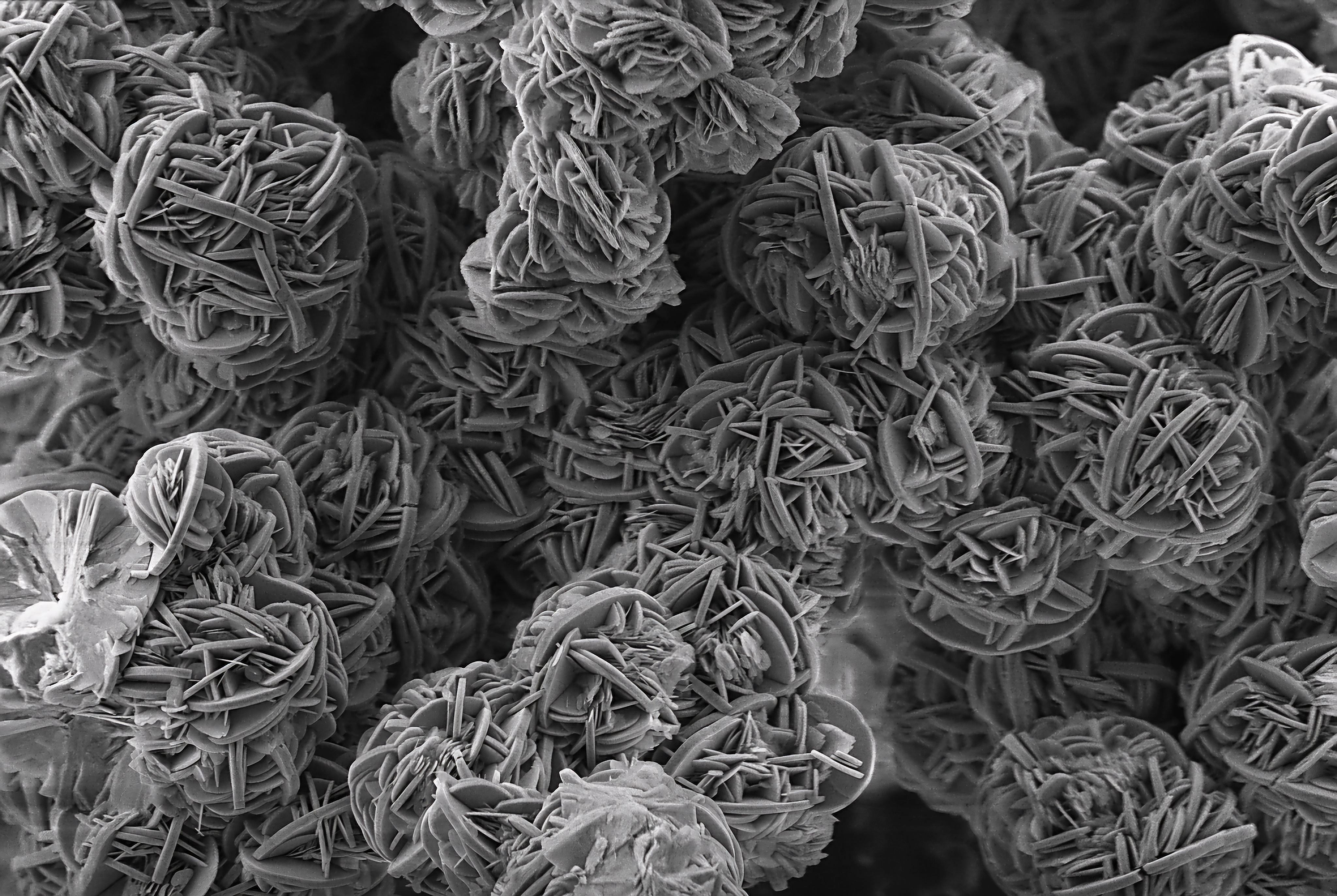
Latest Project - Ti-W Nanostructures
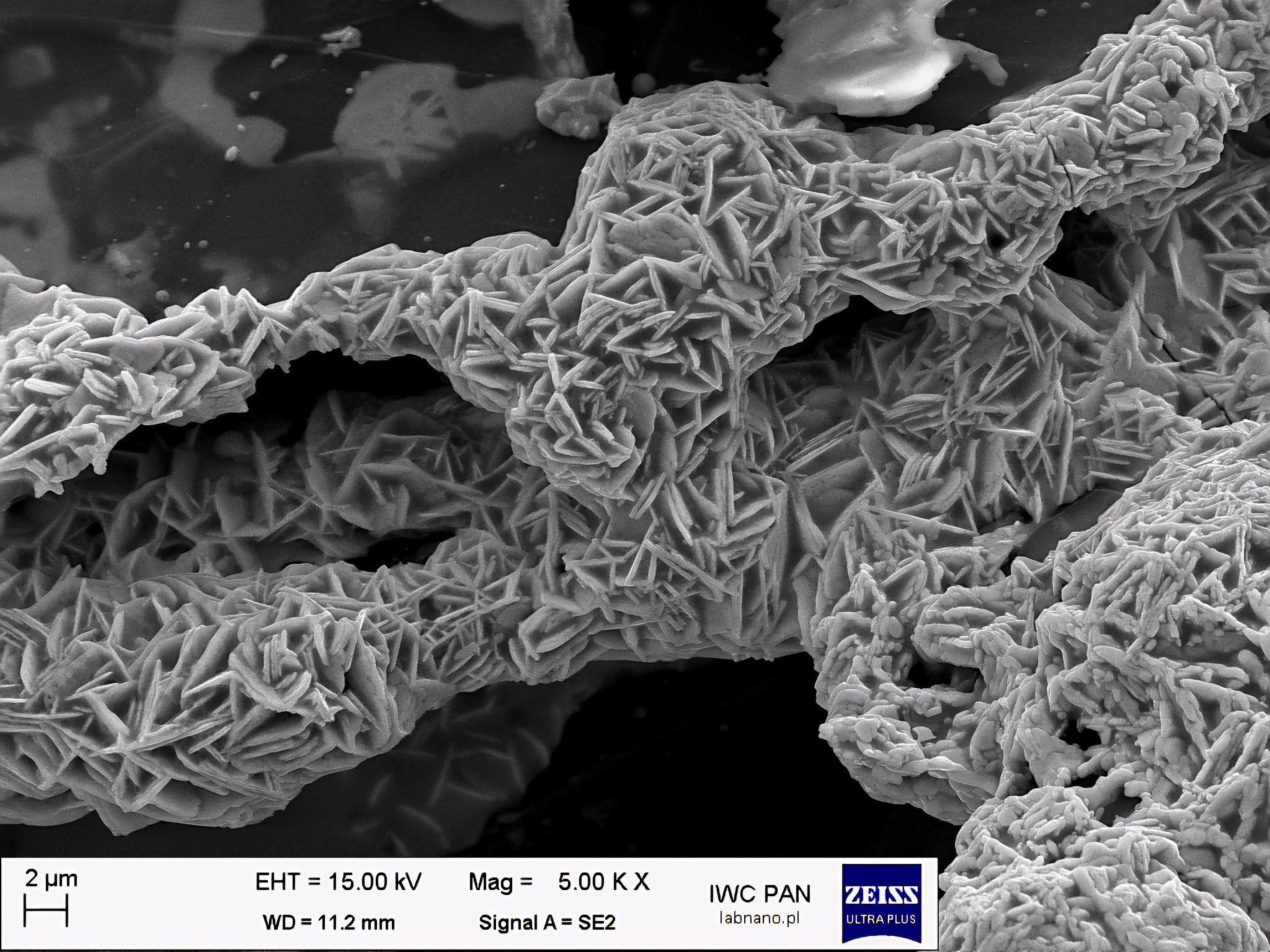
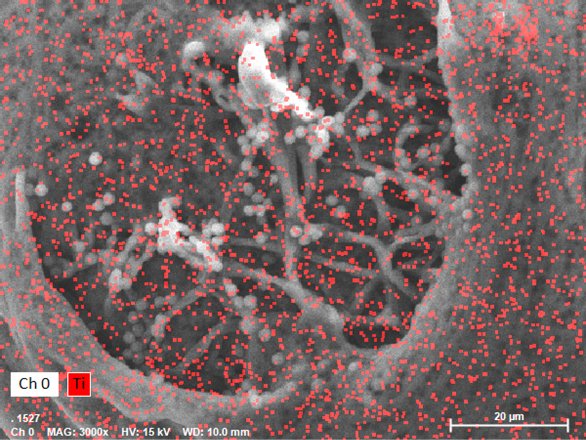
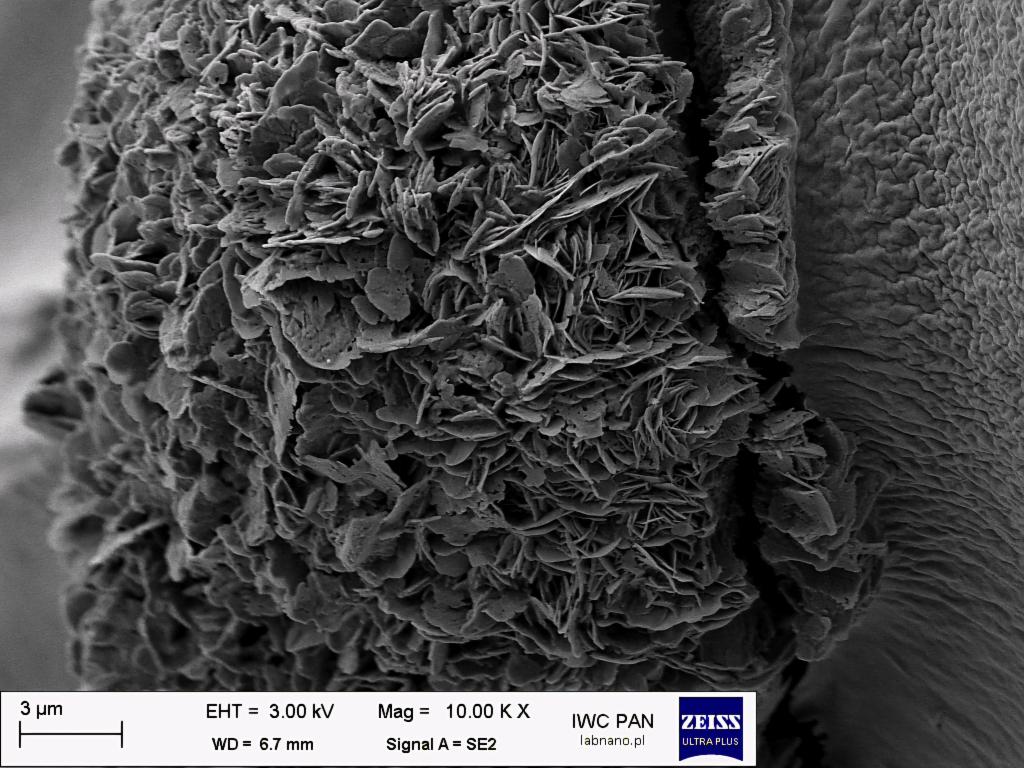
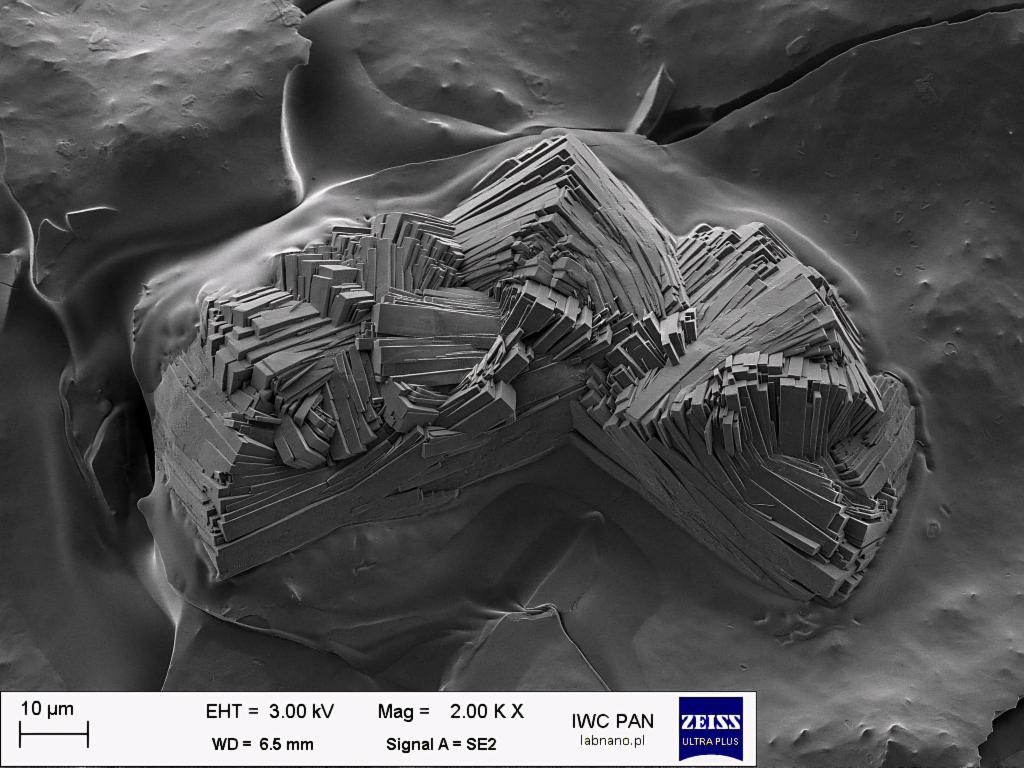
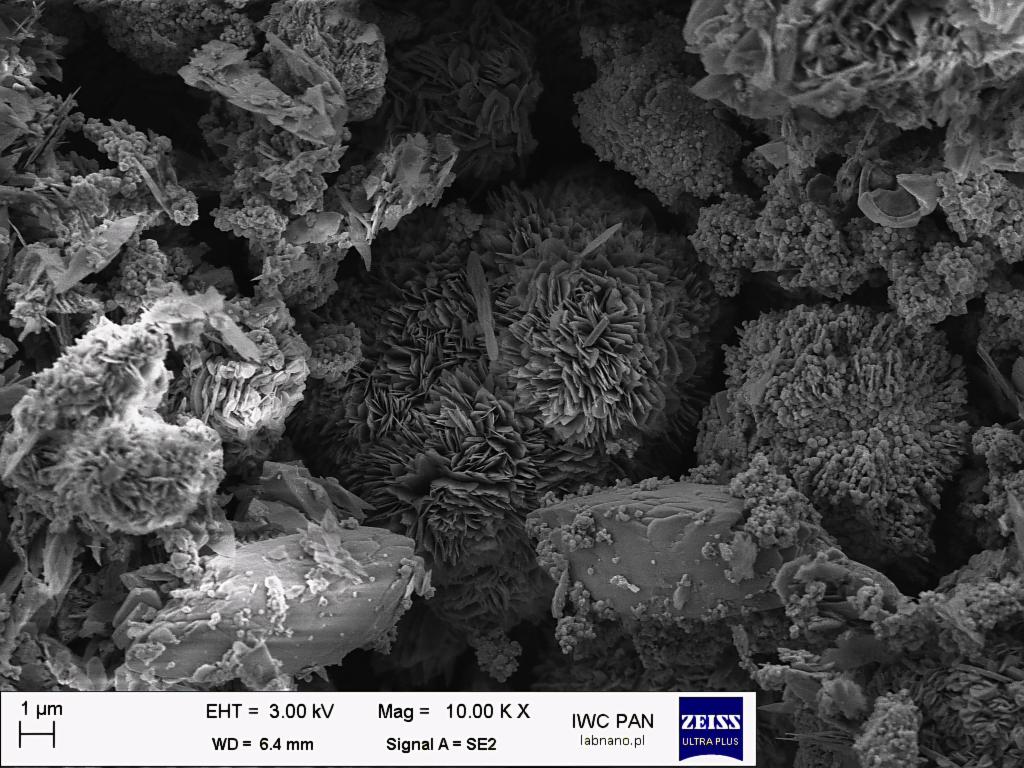
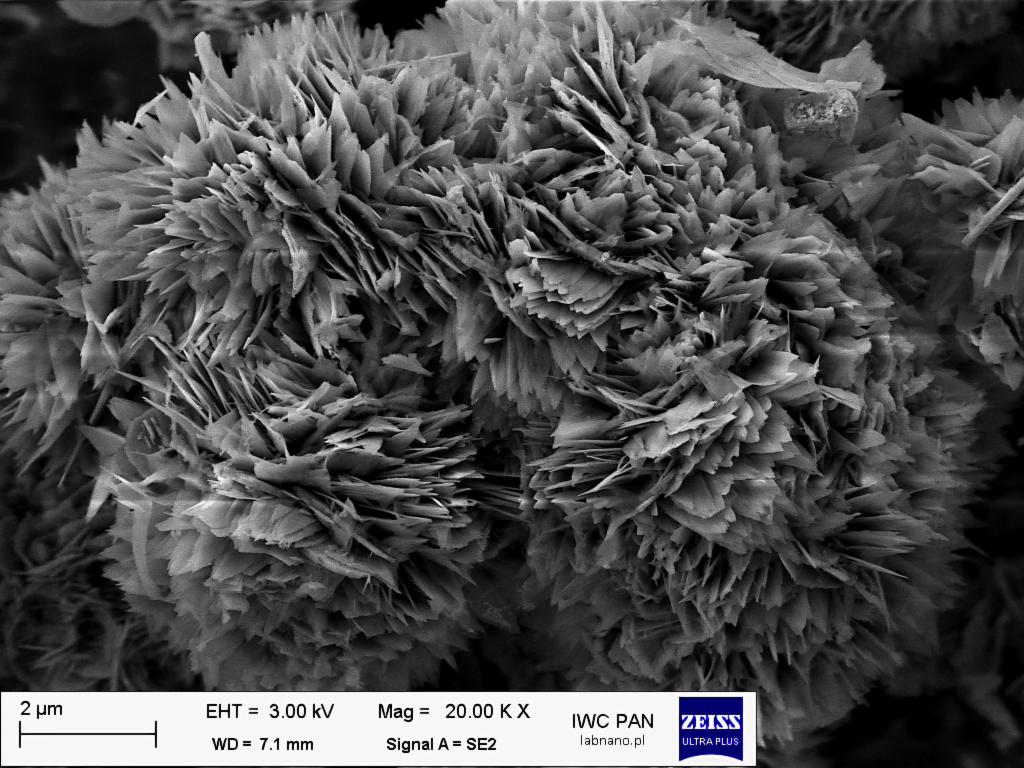
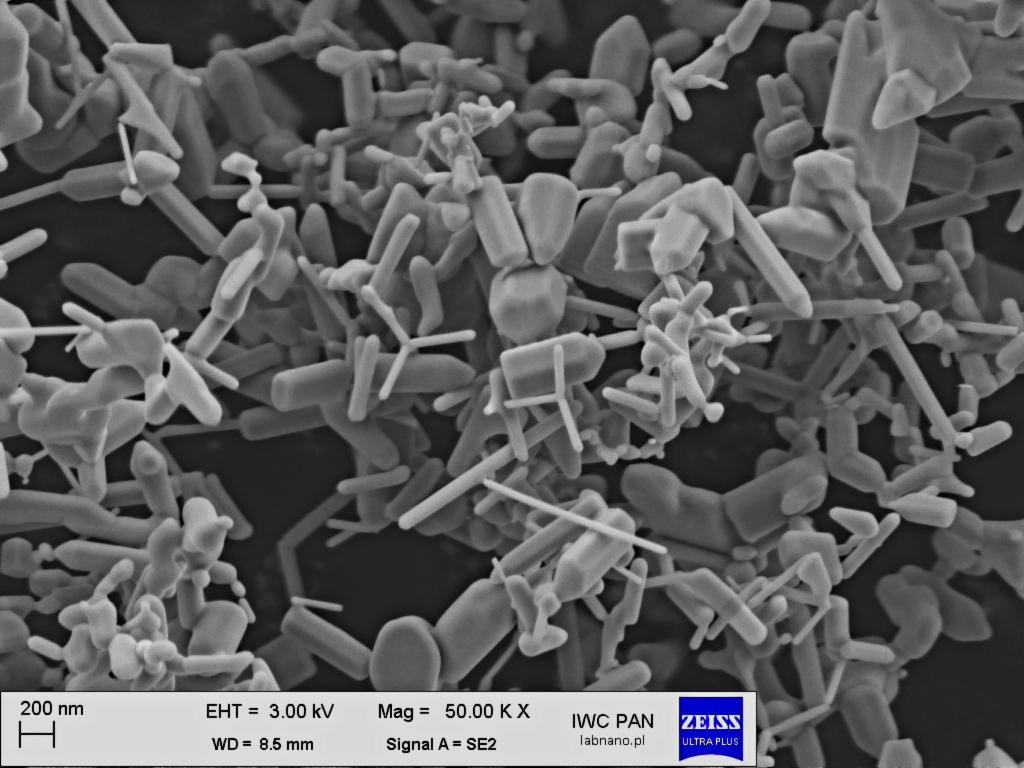
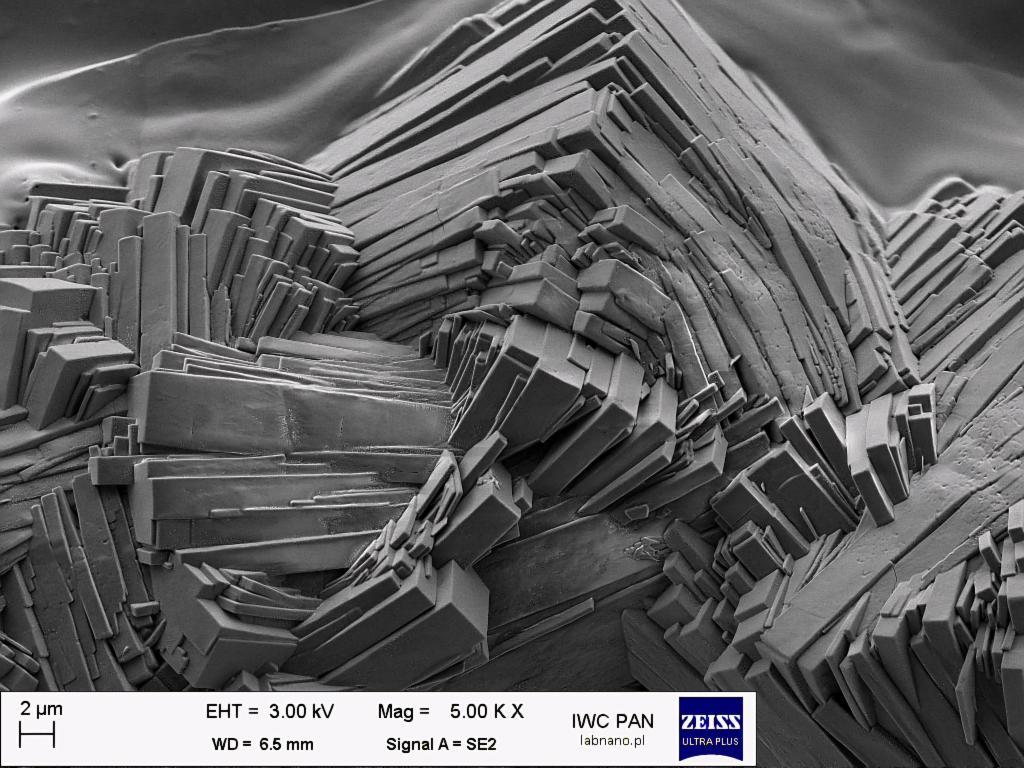
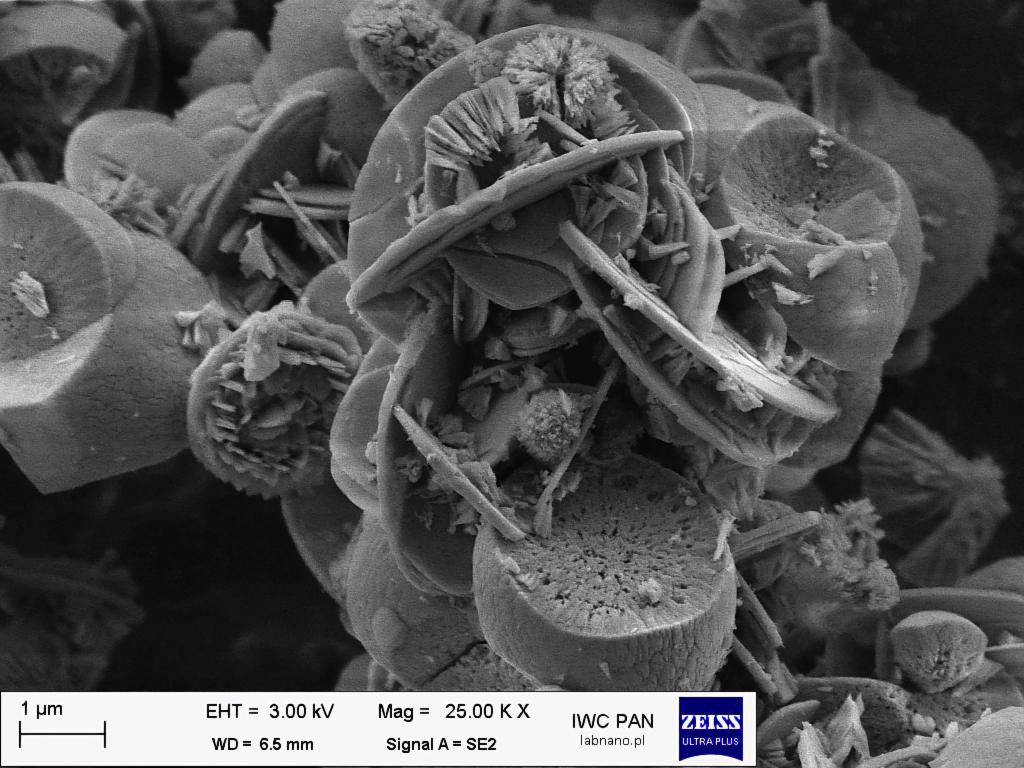
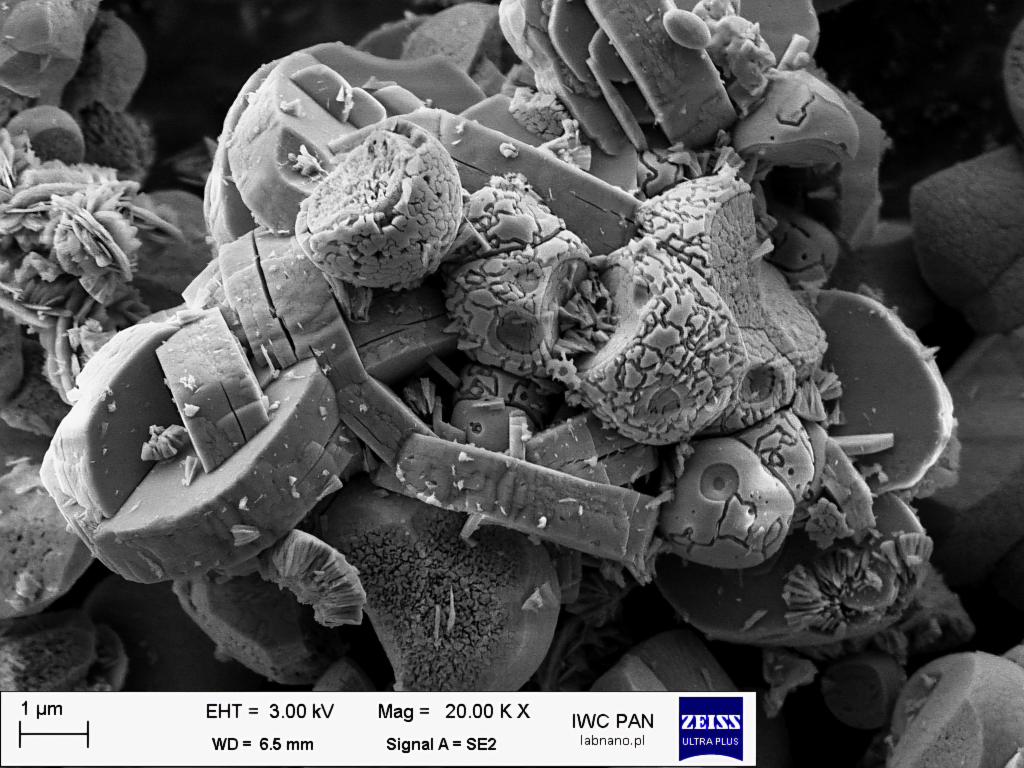
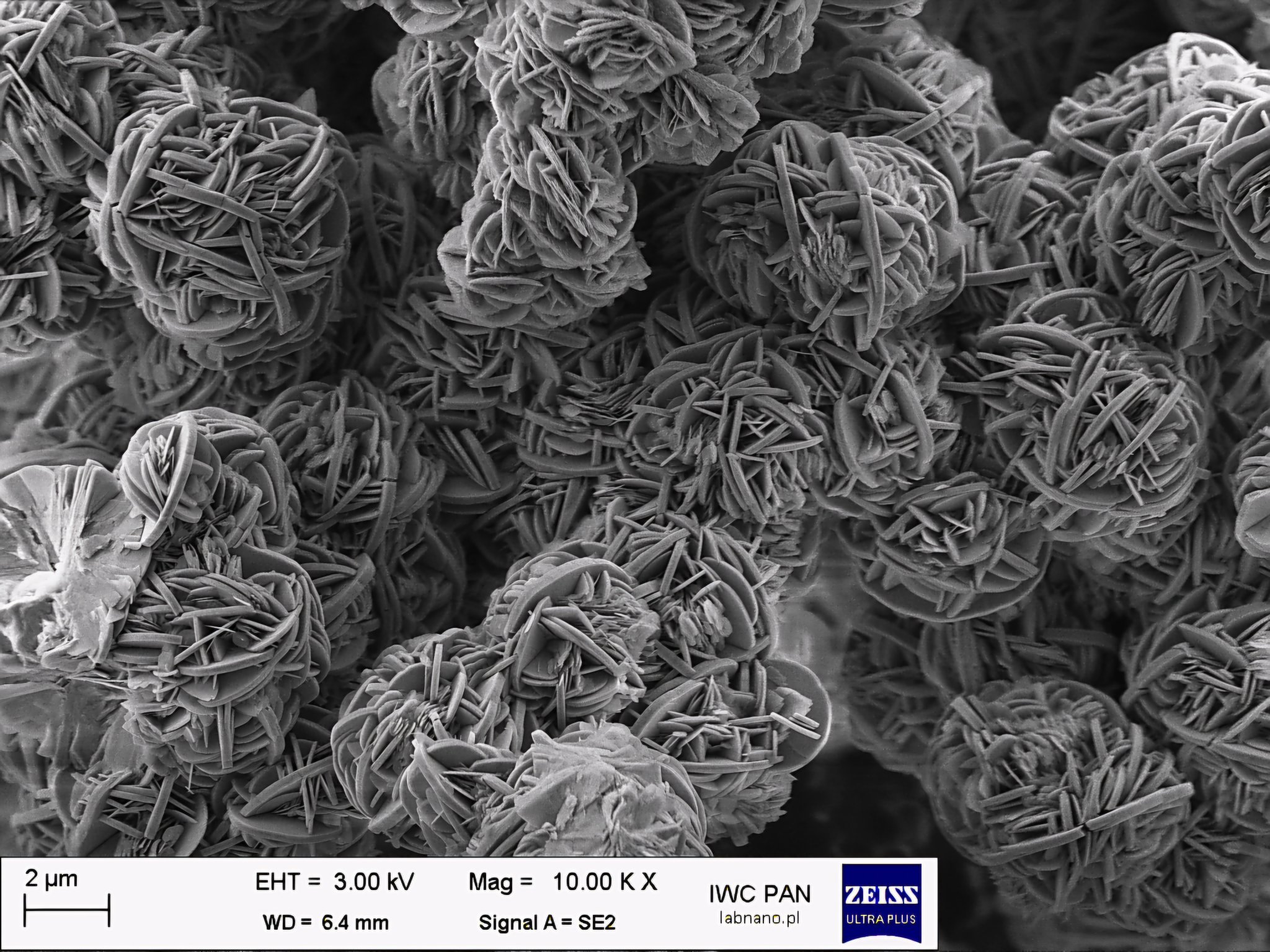
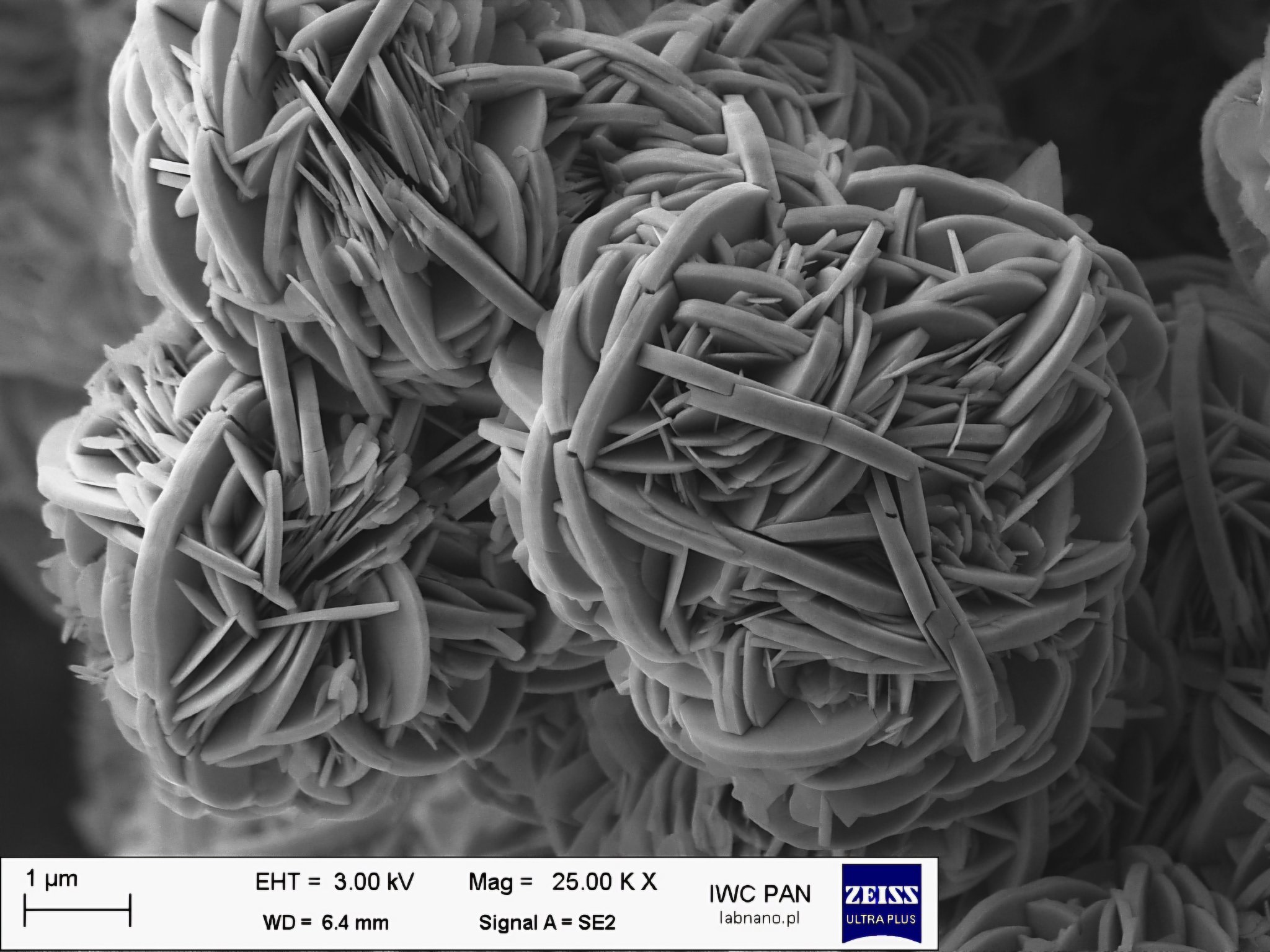
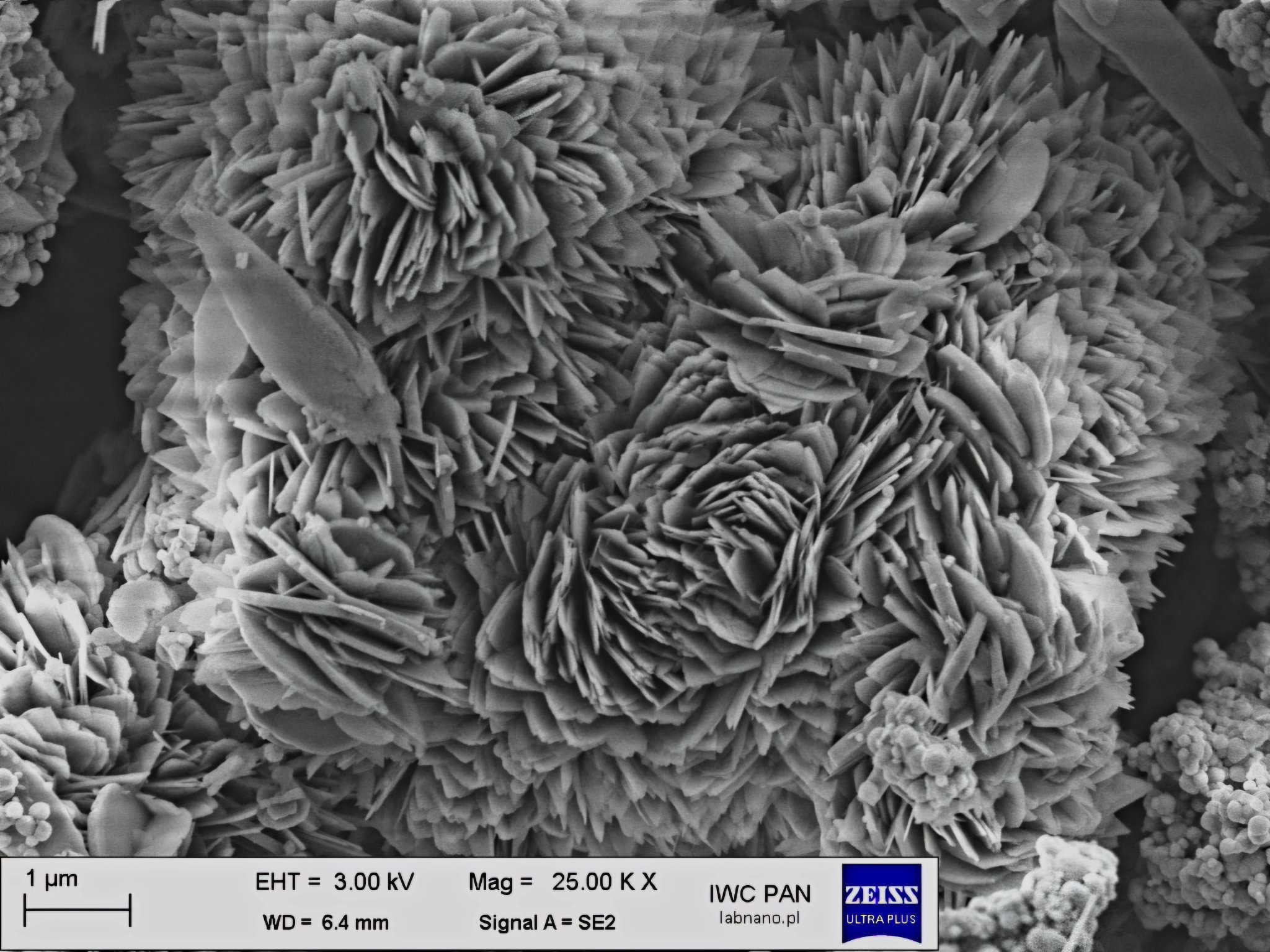
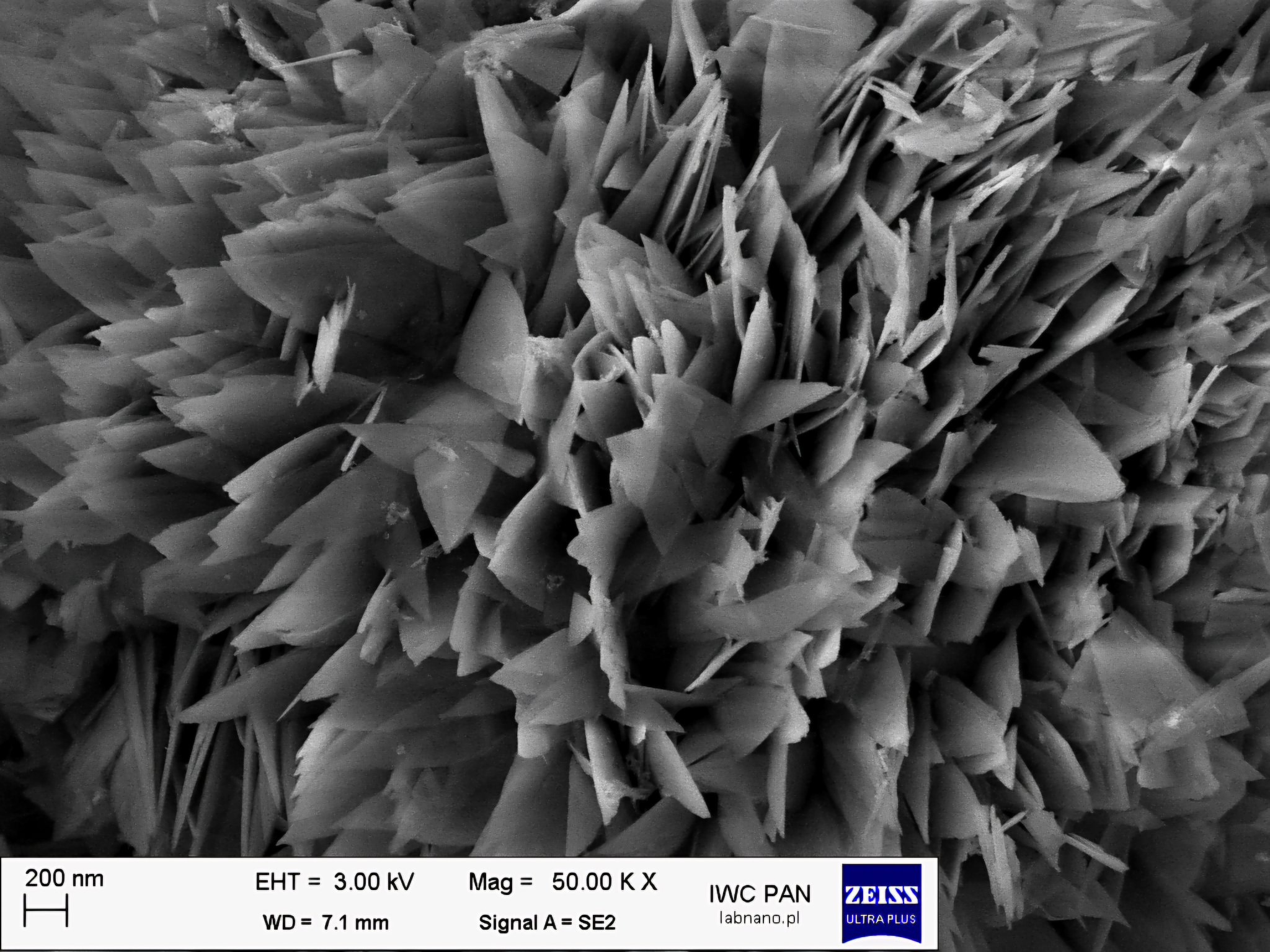
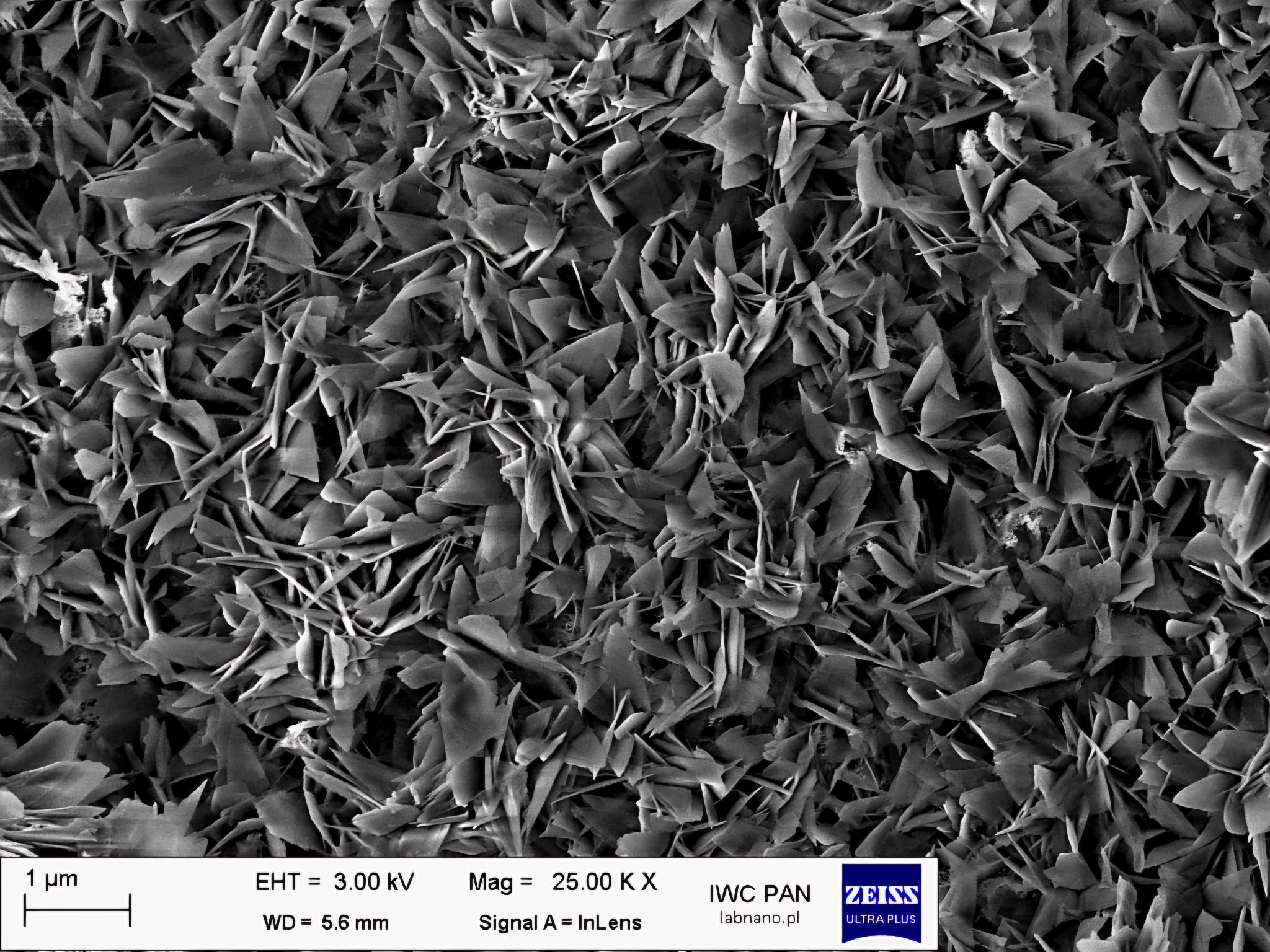
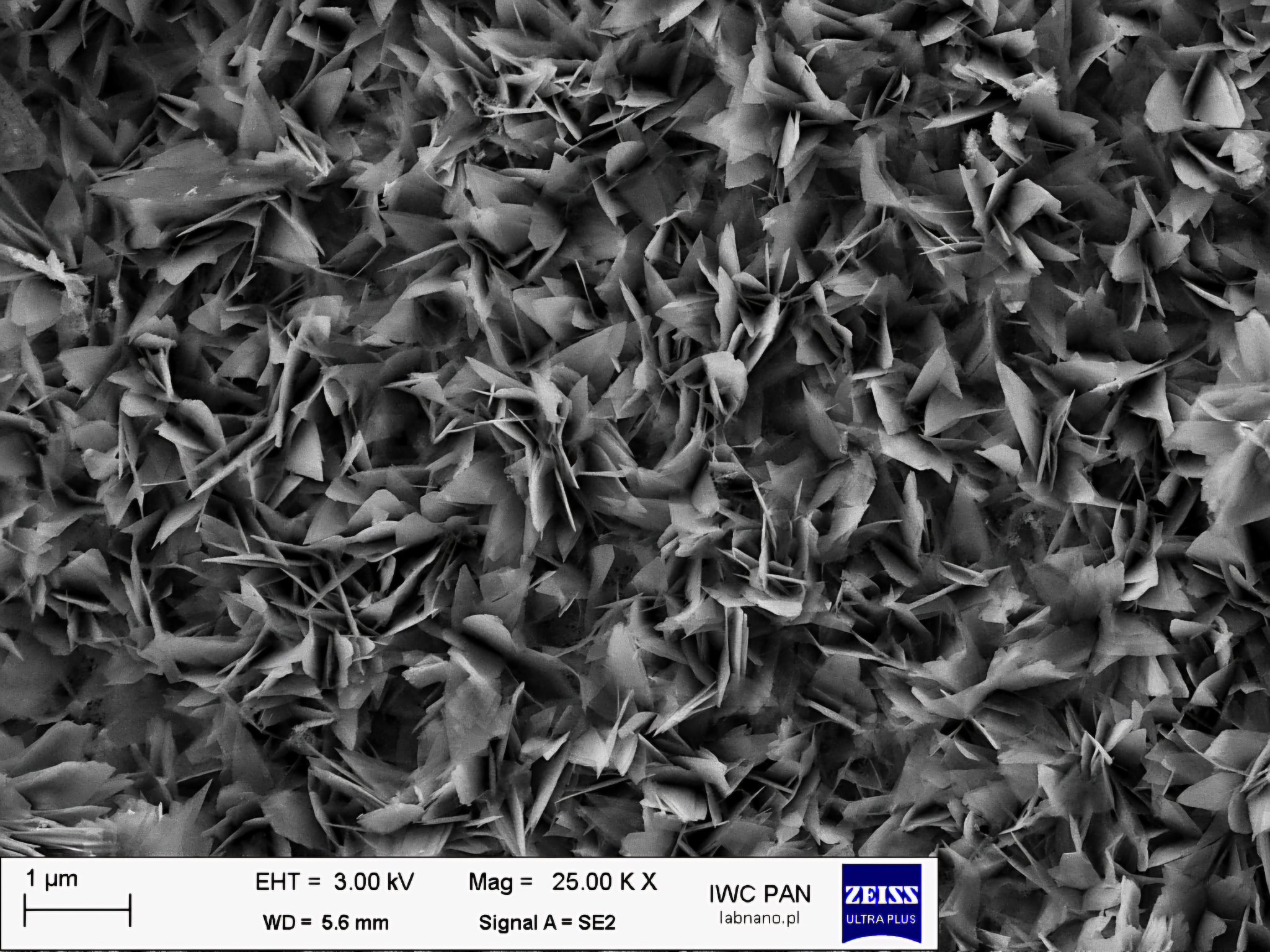
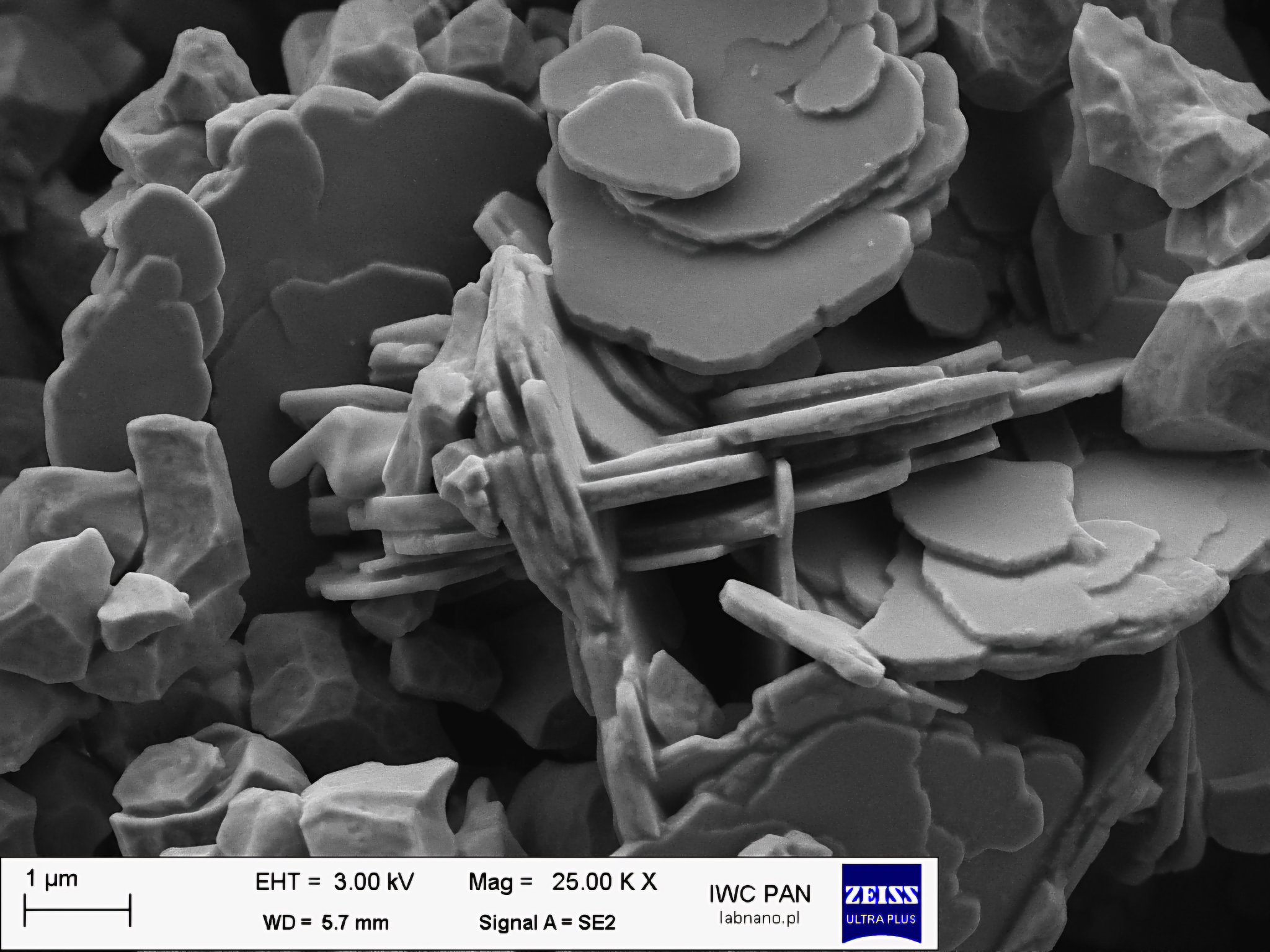
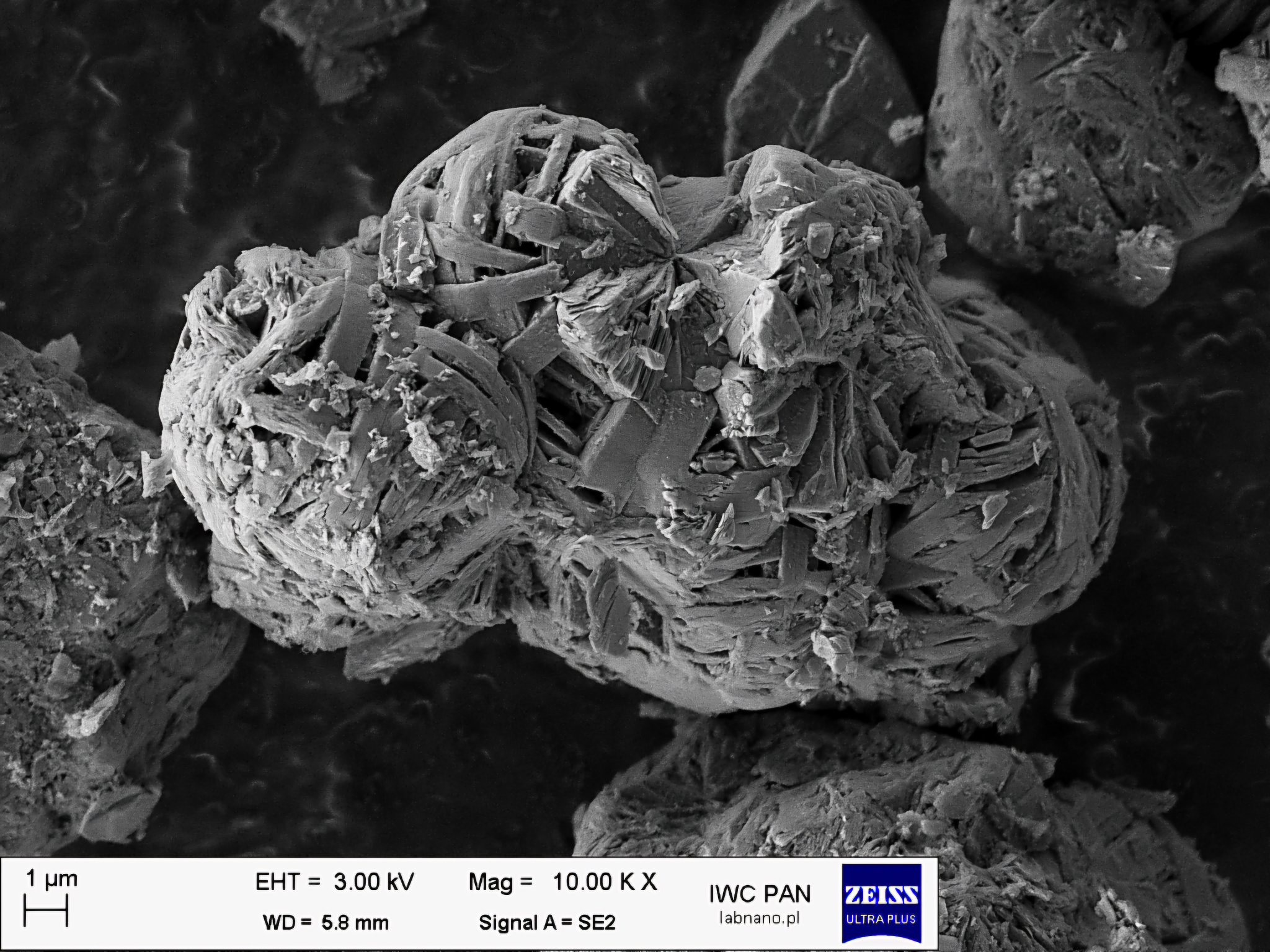
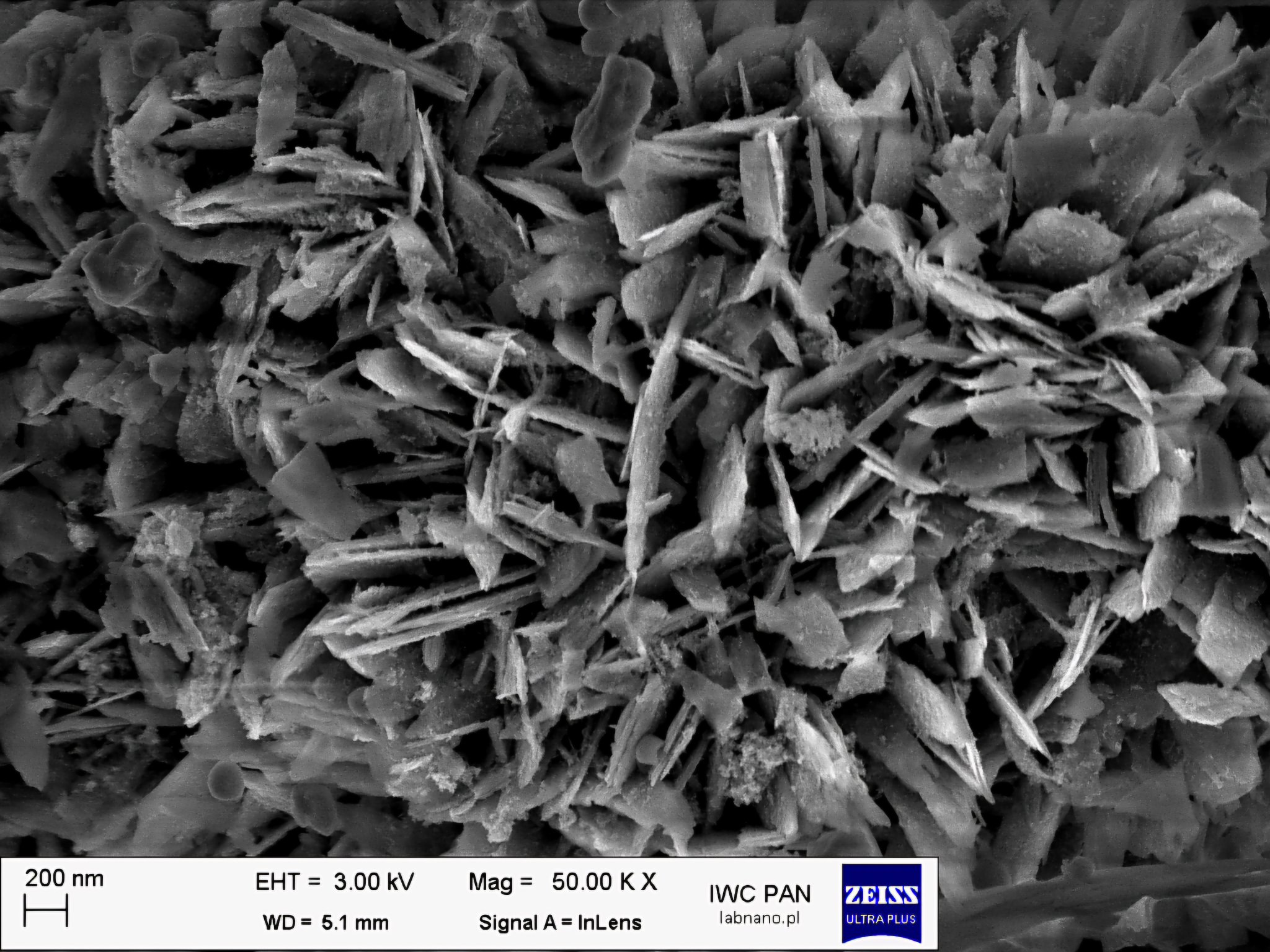
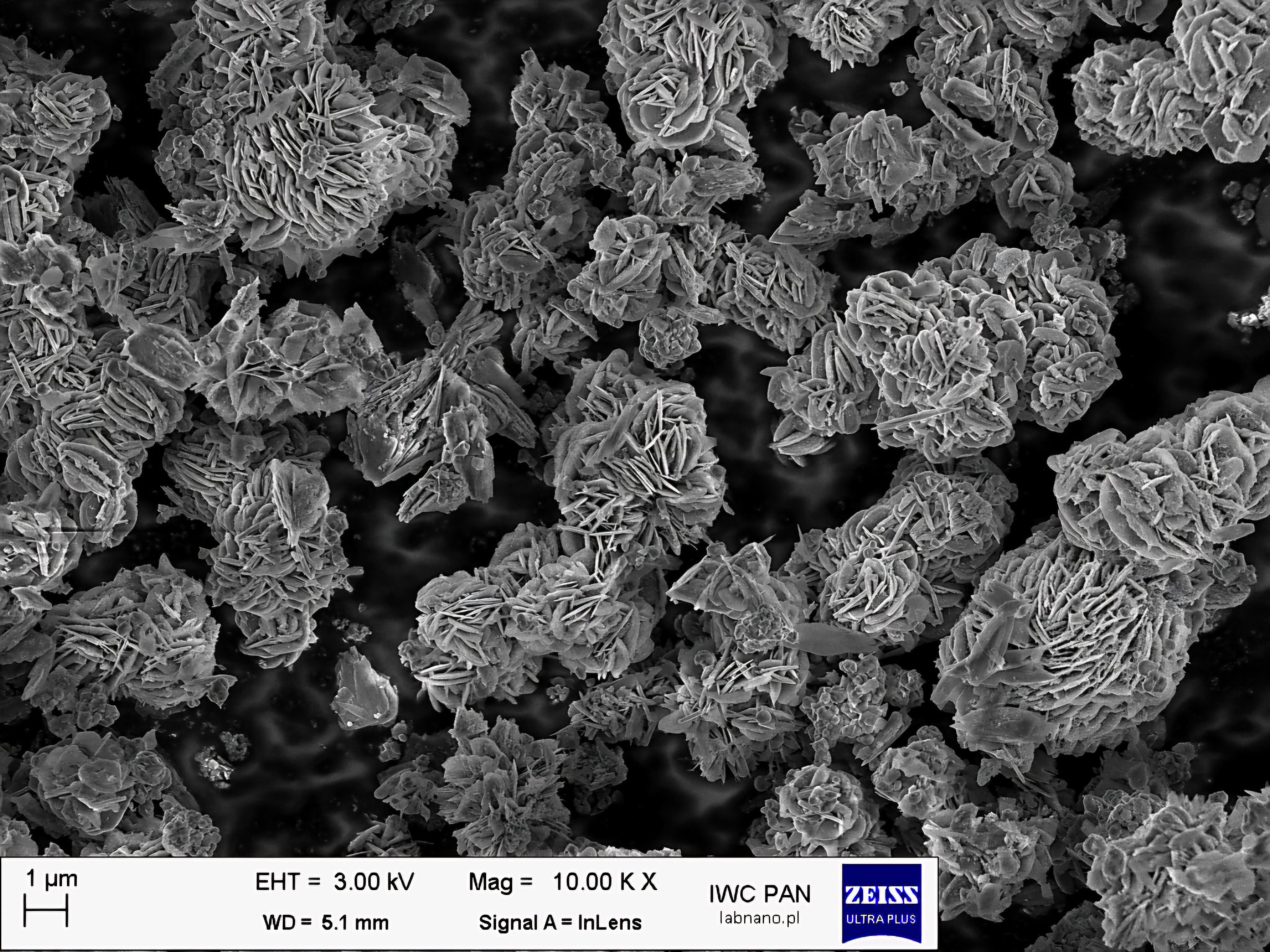
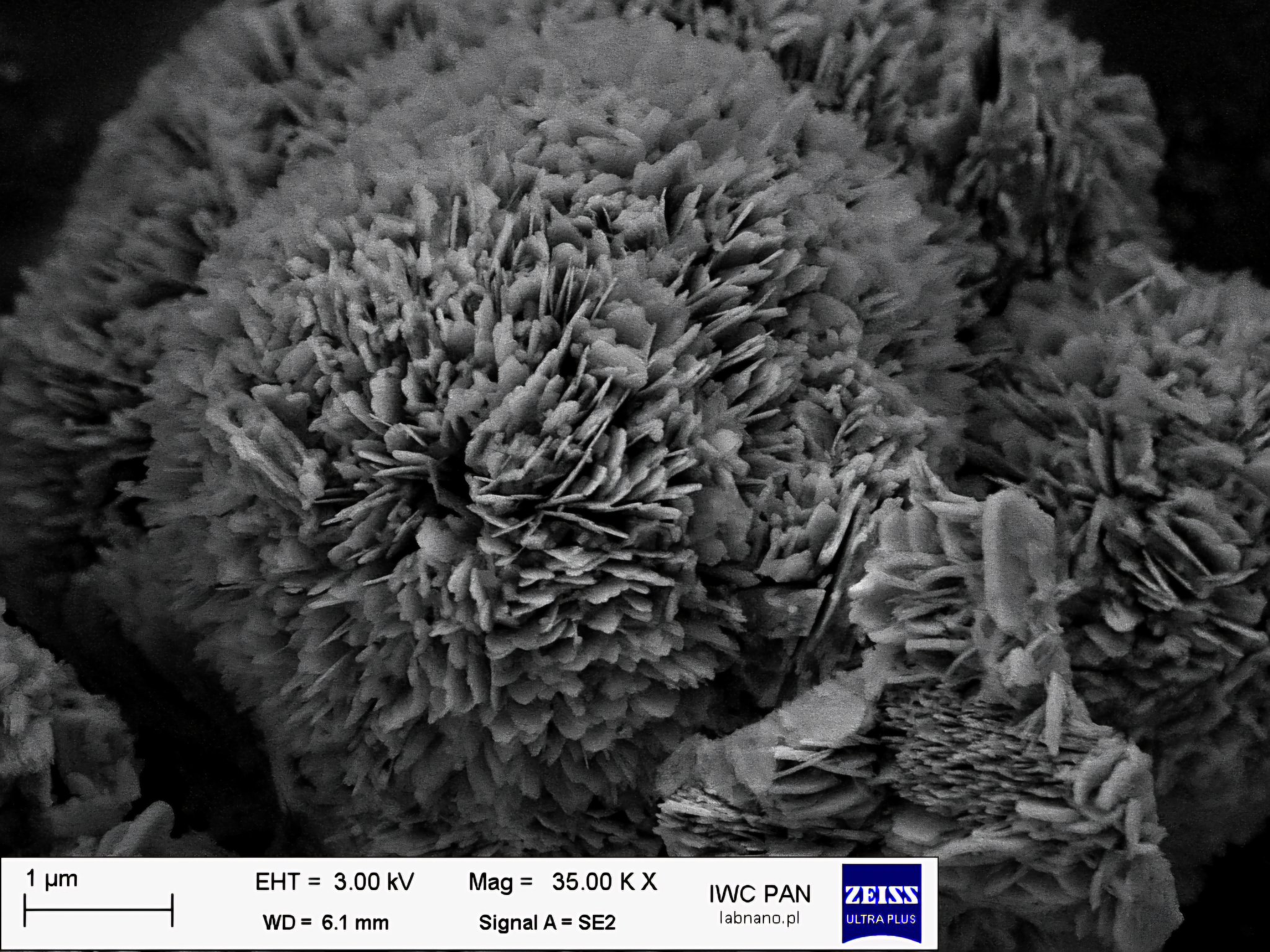
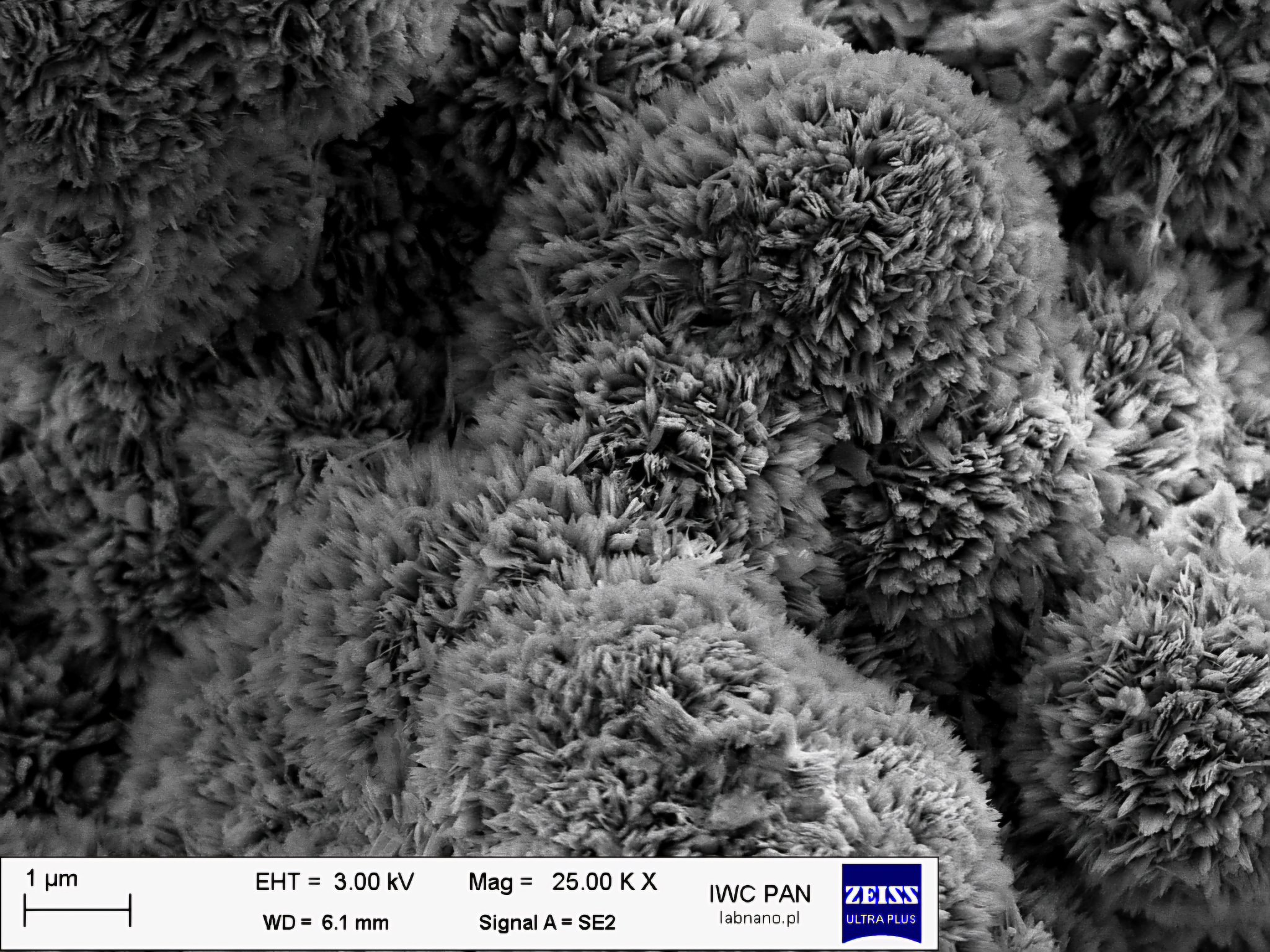
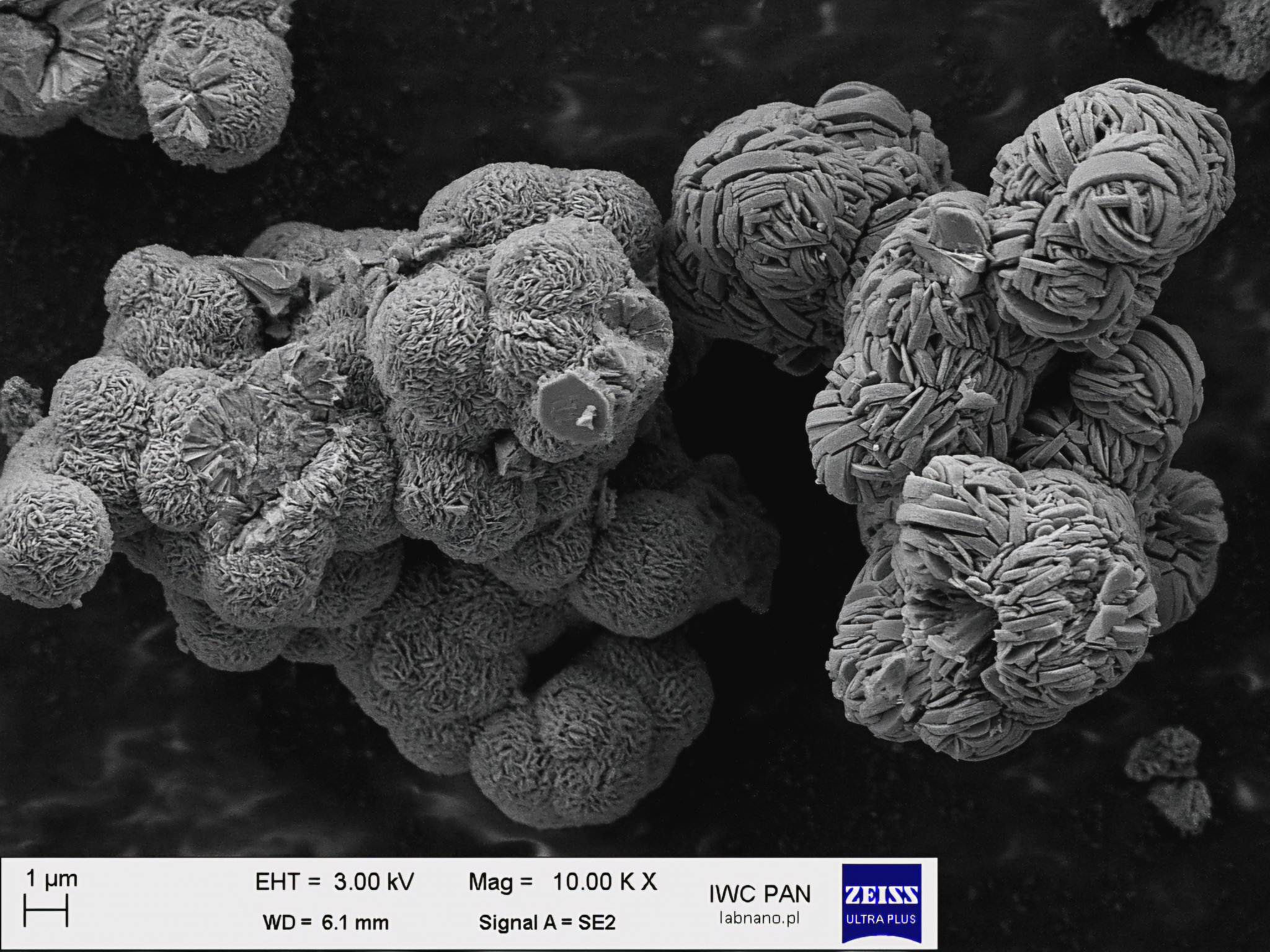
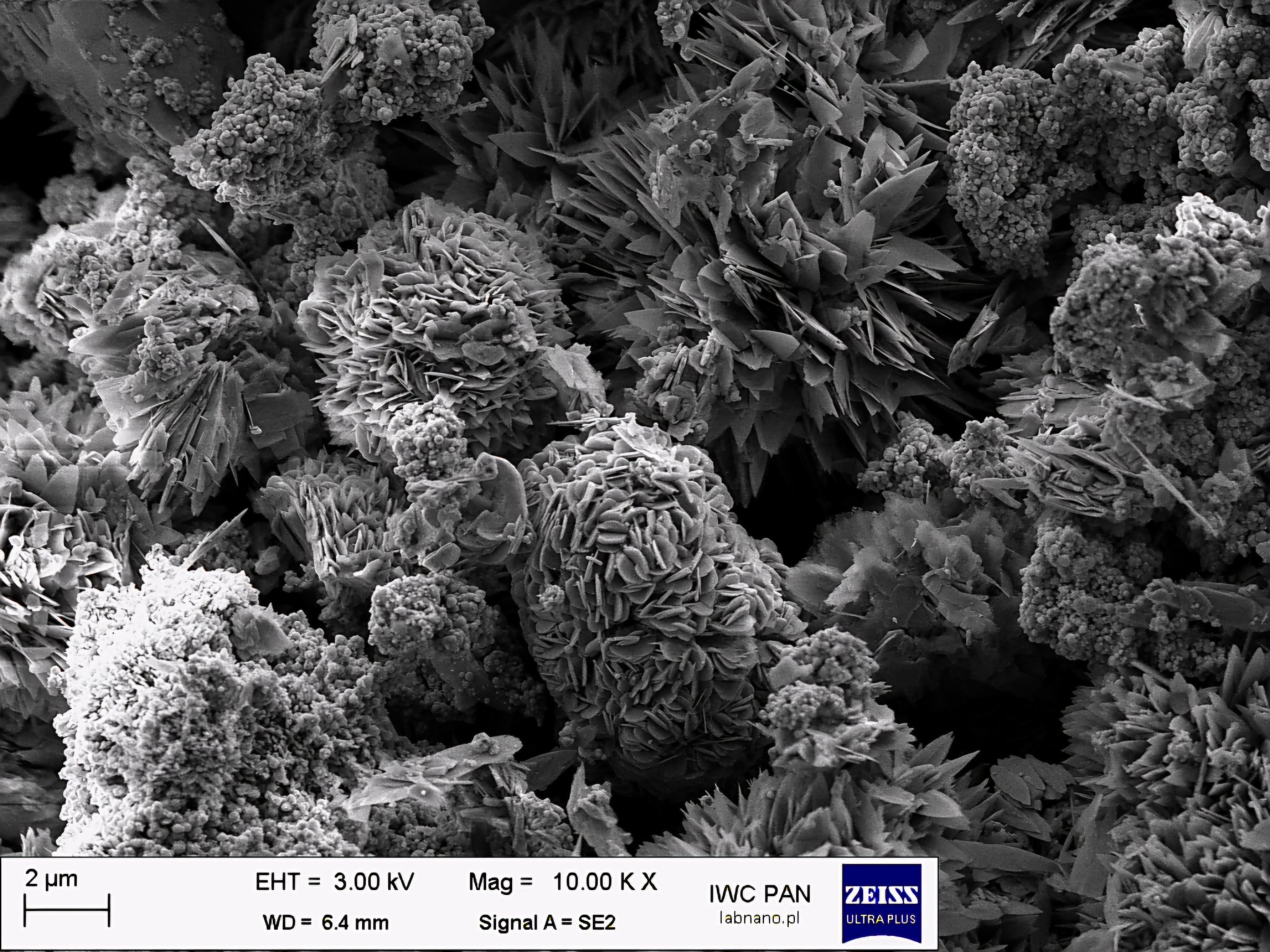
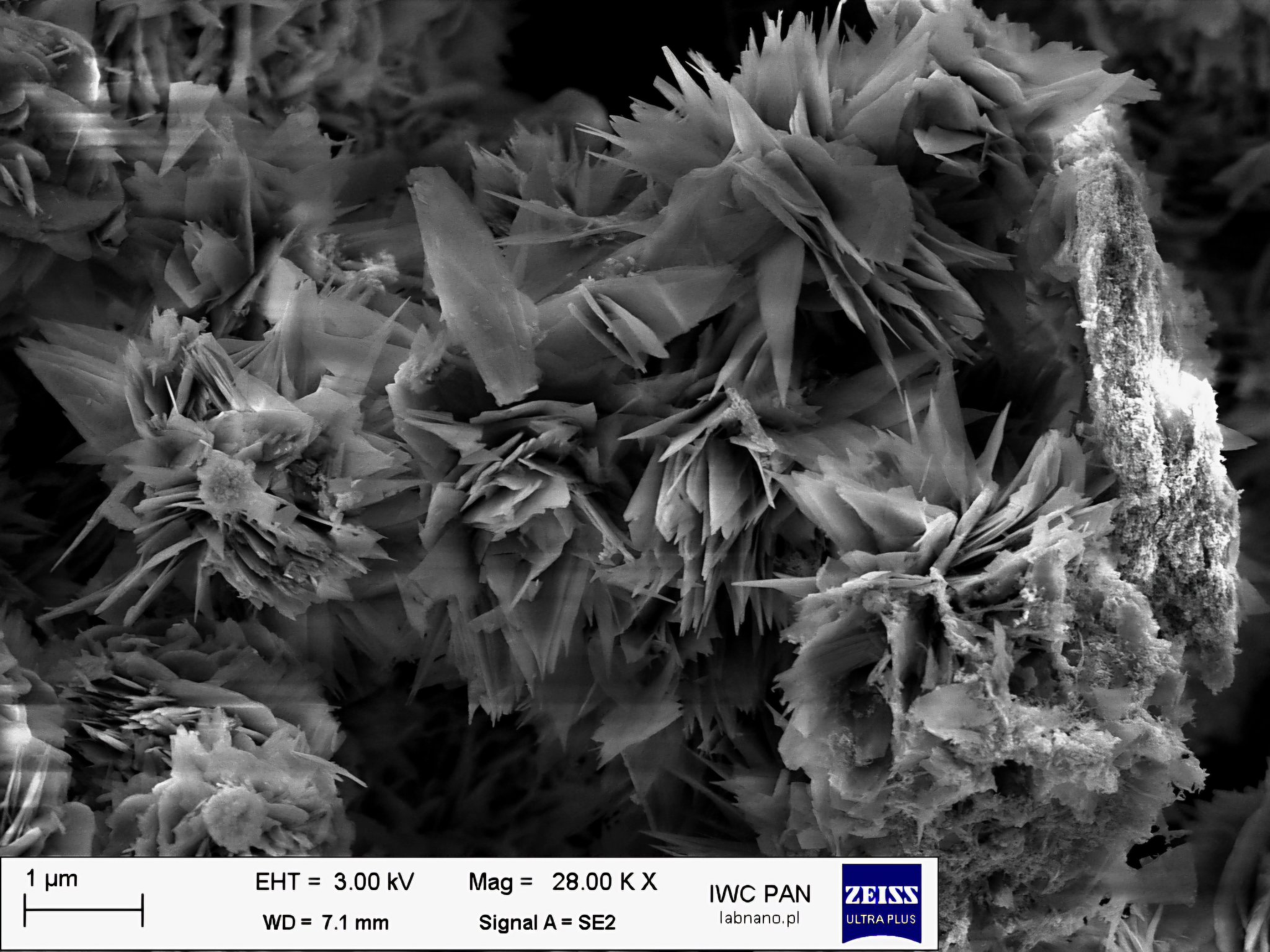
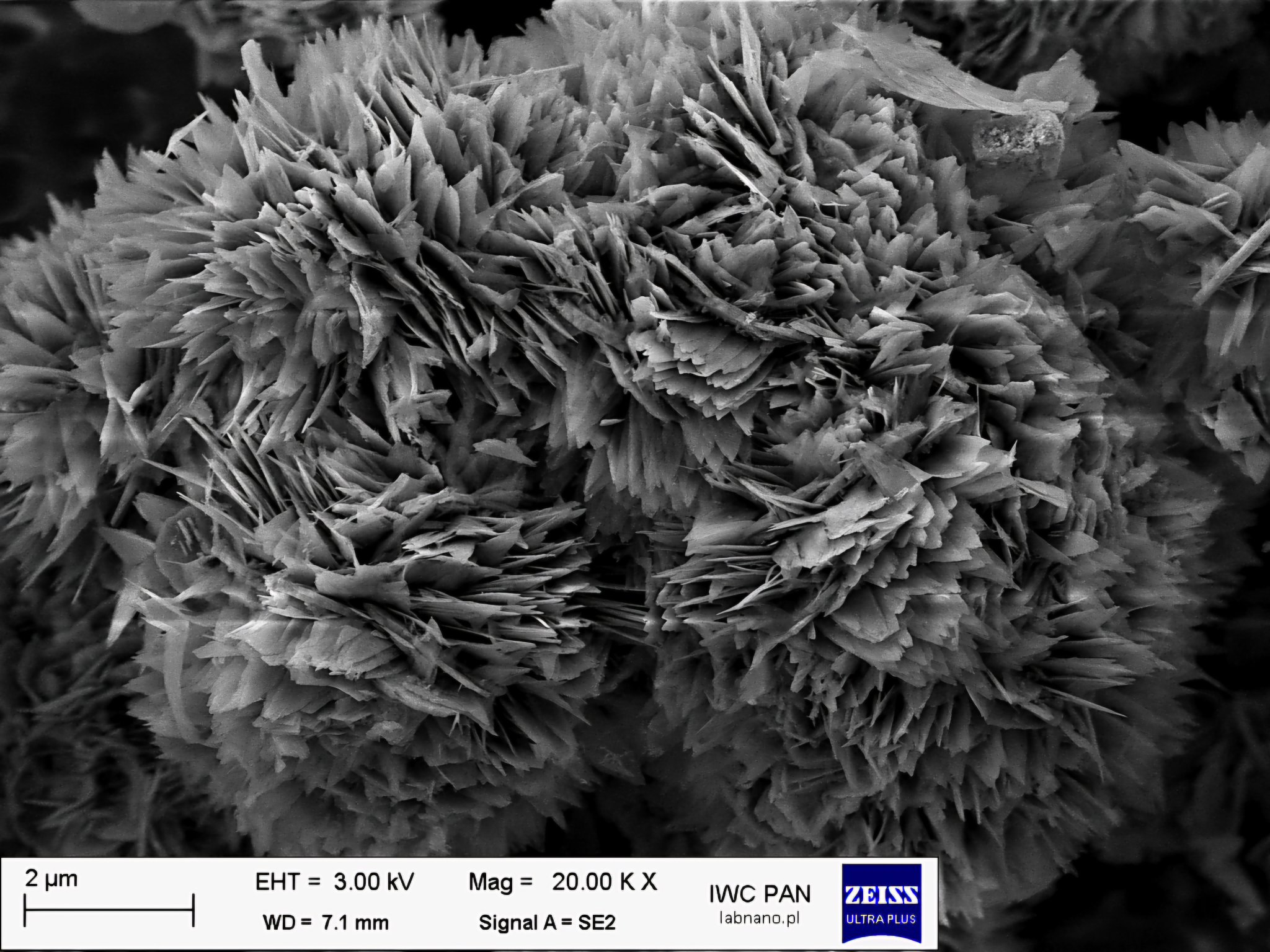
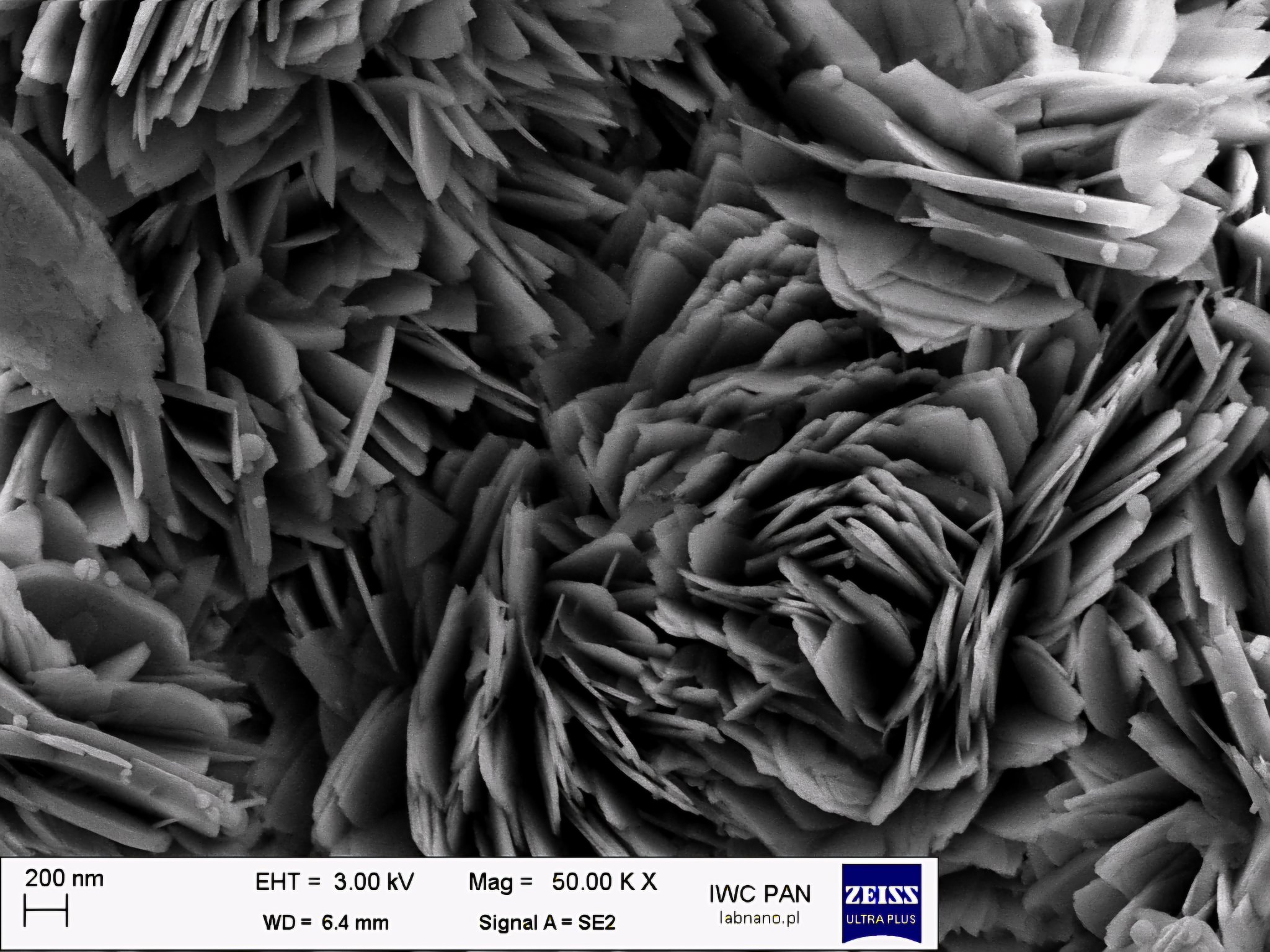
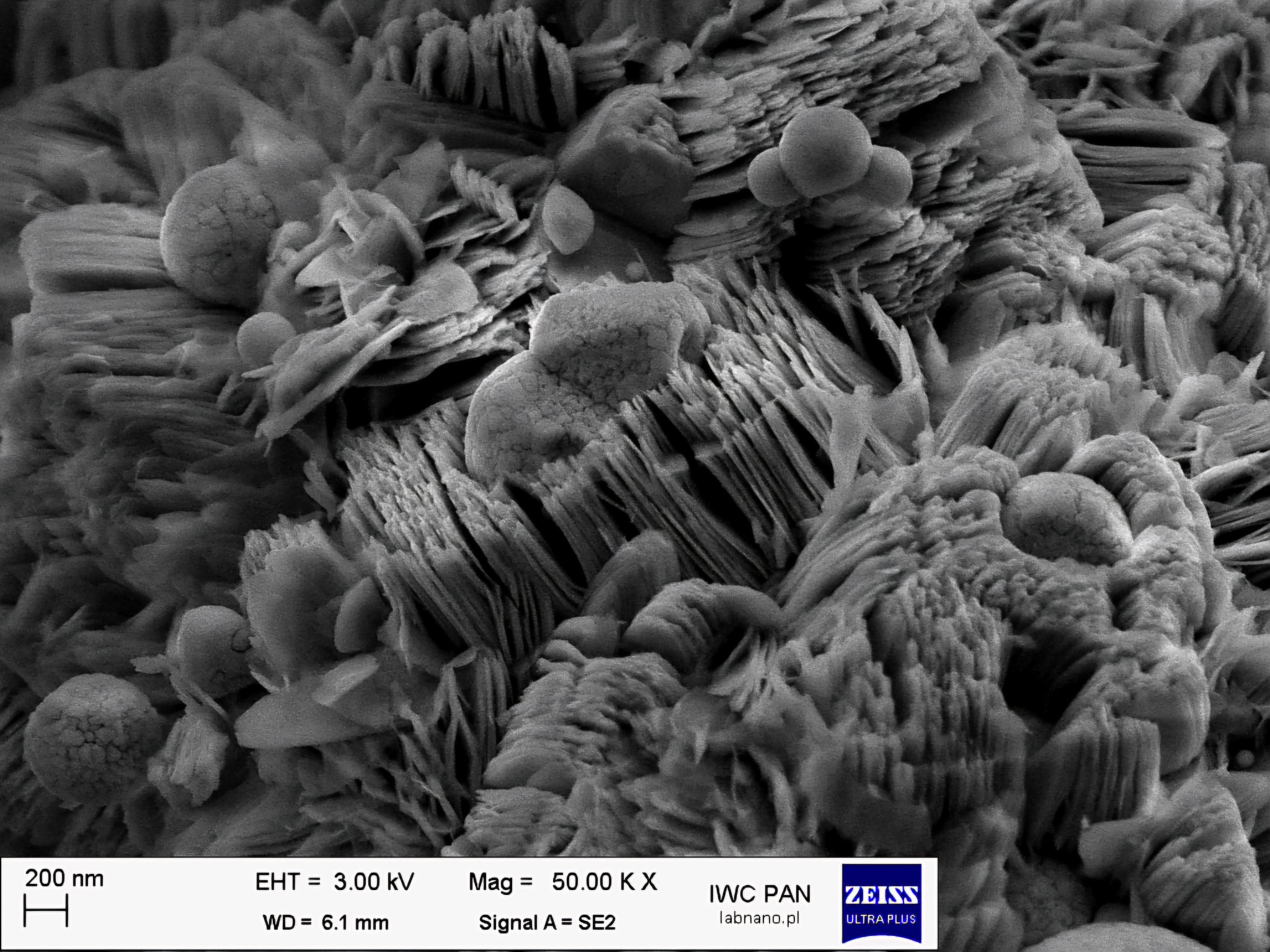
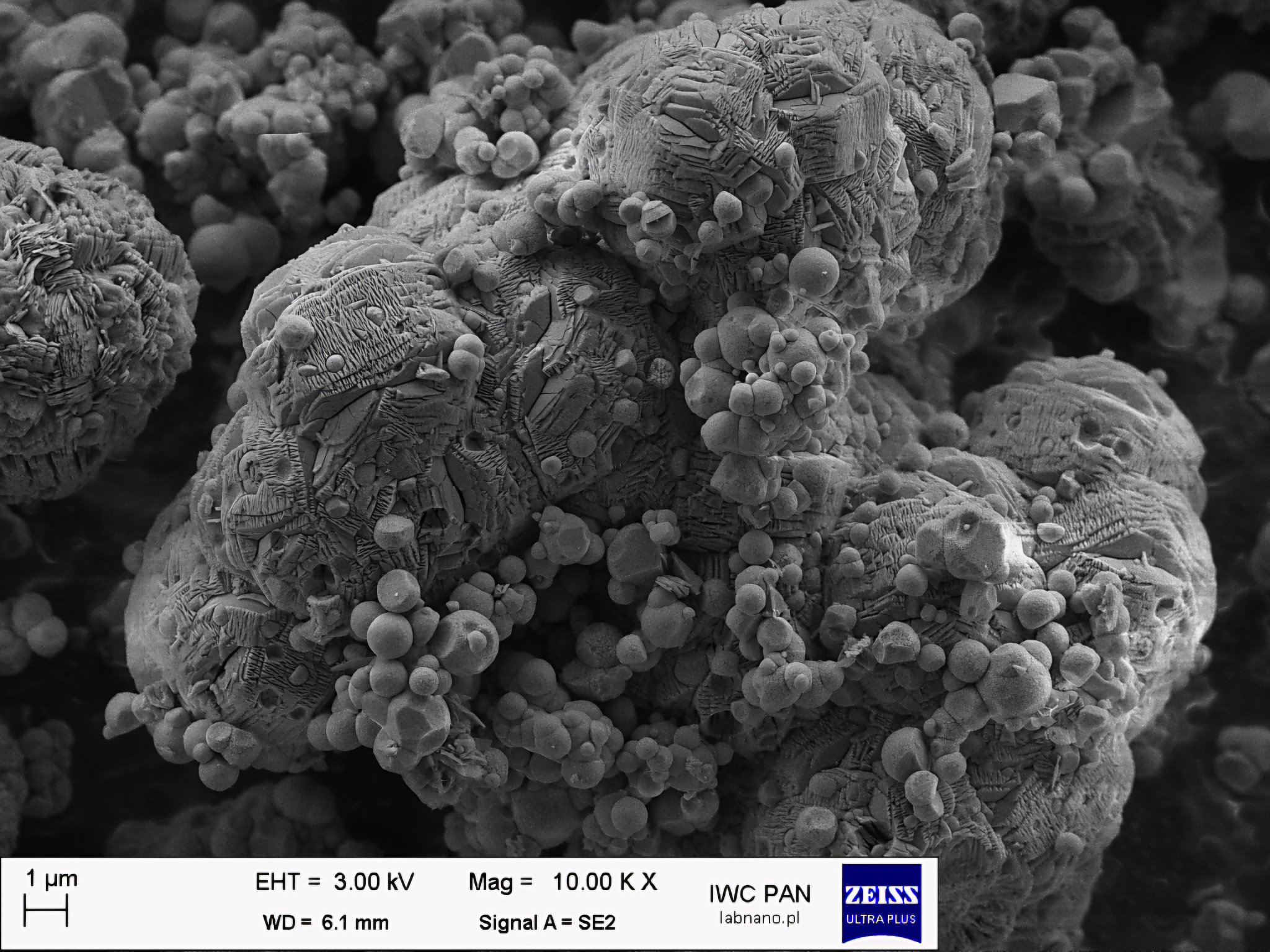
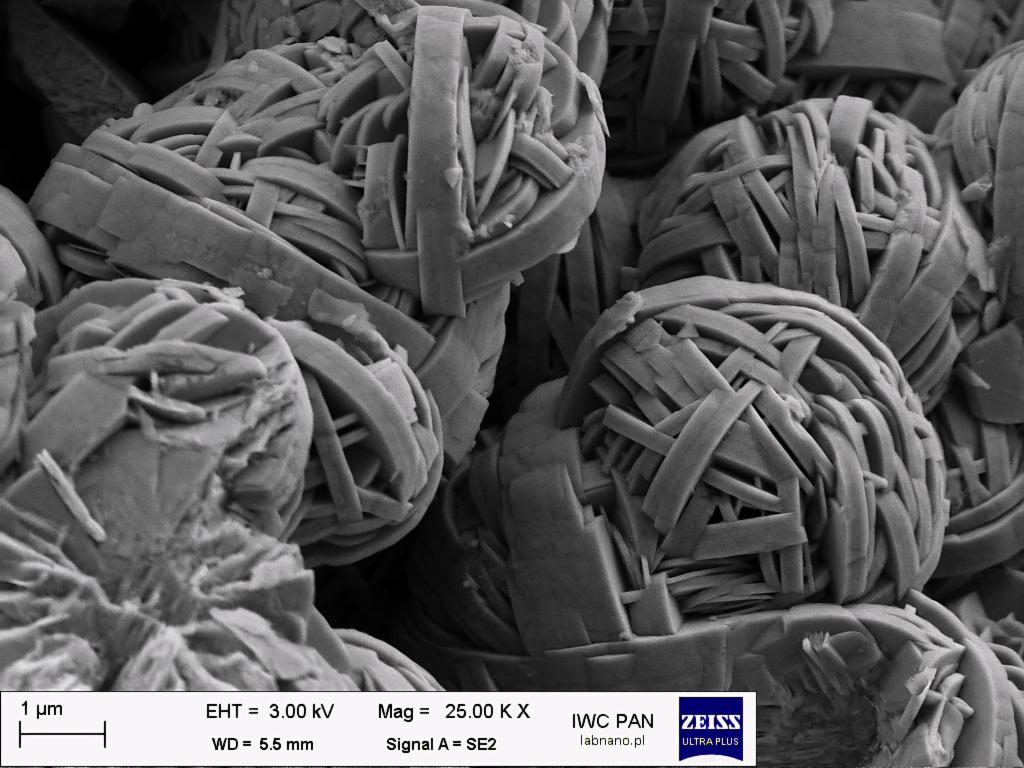
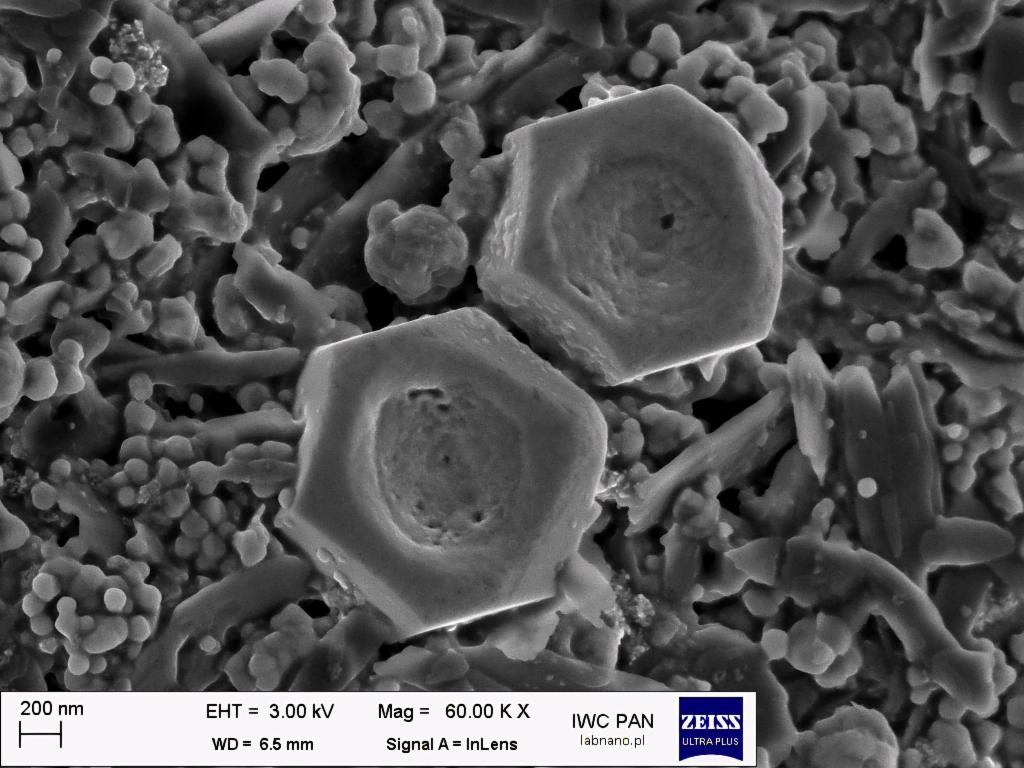
Our nanotechnology project has been completed by creating structures the size of a red blood cell, made of titanium and tungsten with phosphate links, which guarantees biocompatibility, which we have been able to confirm in scientific research.
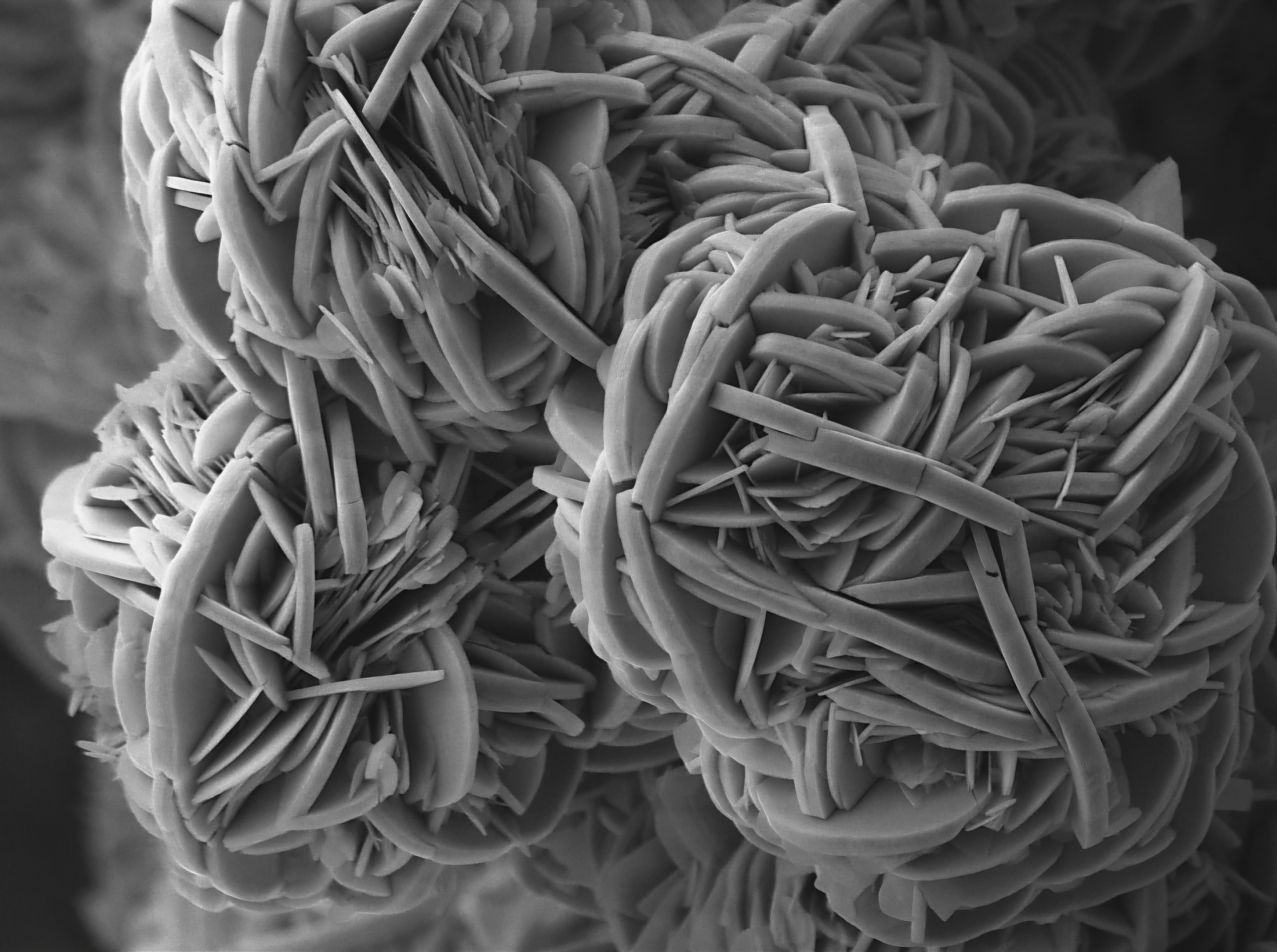
Biocompatible Titanium-Tungsten Nanostructures
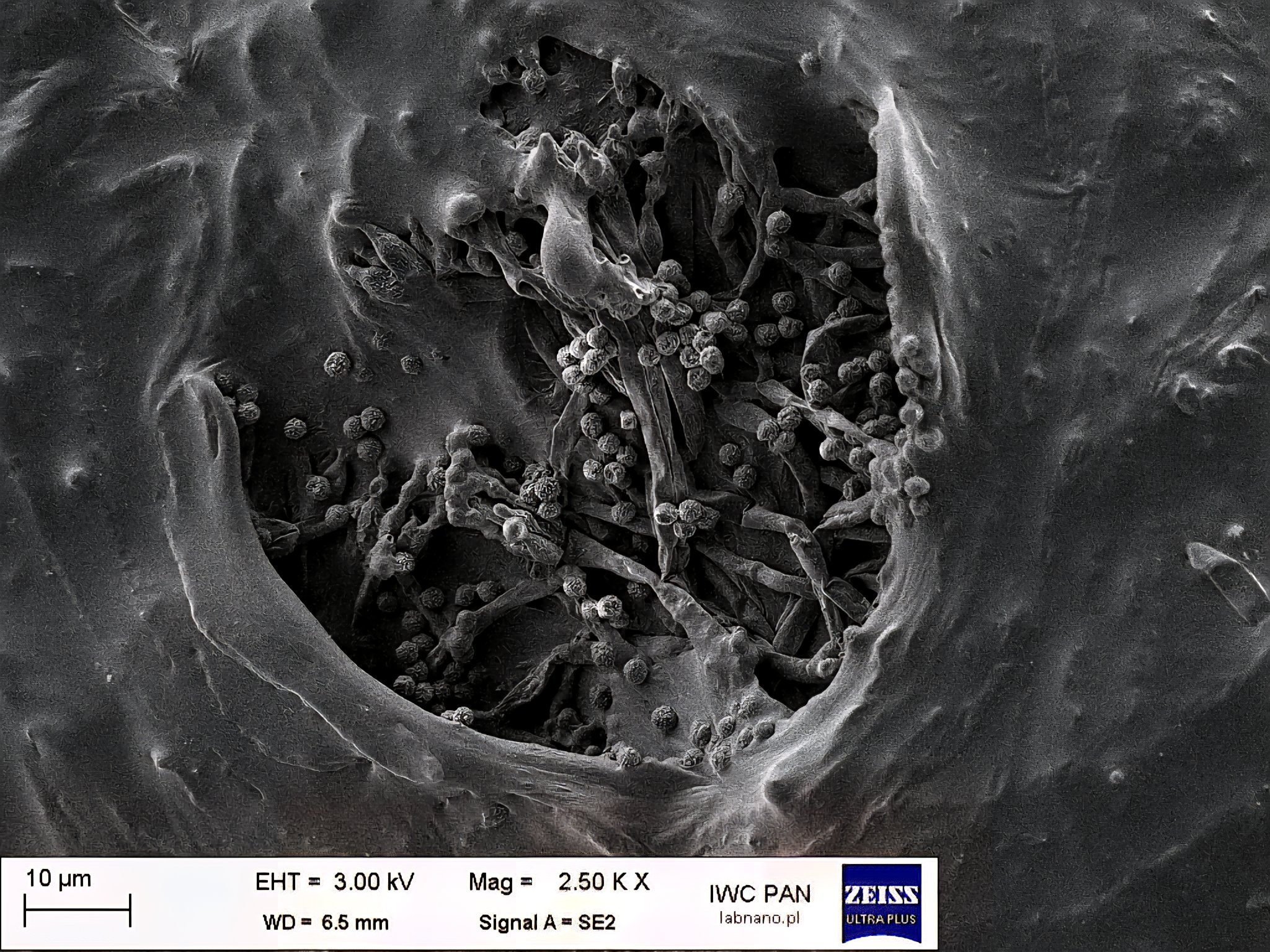
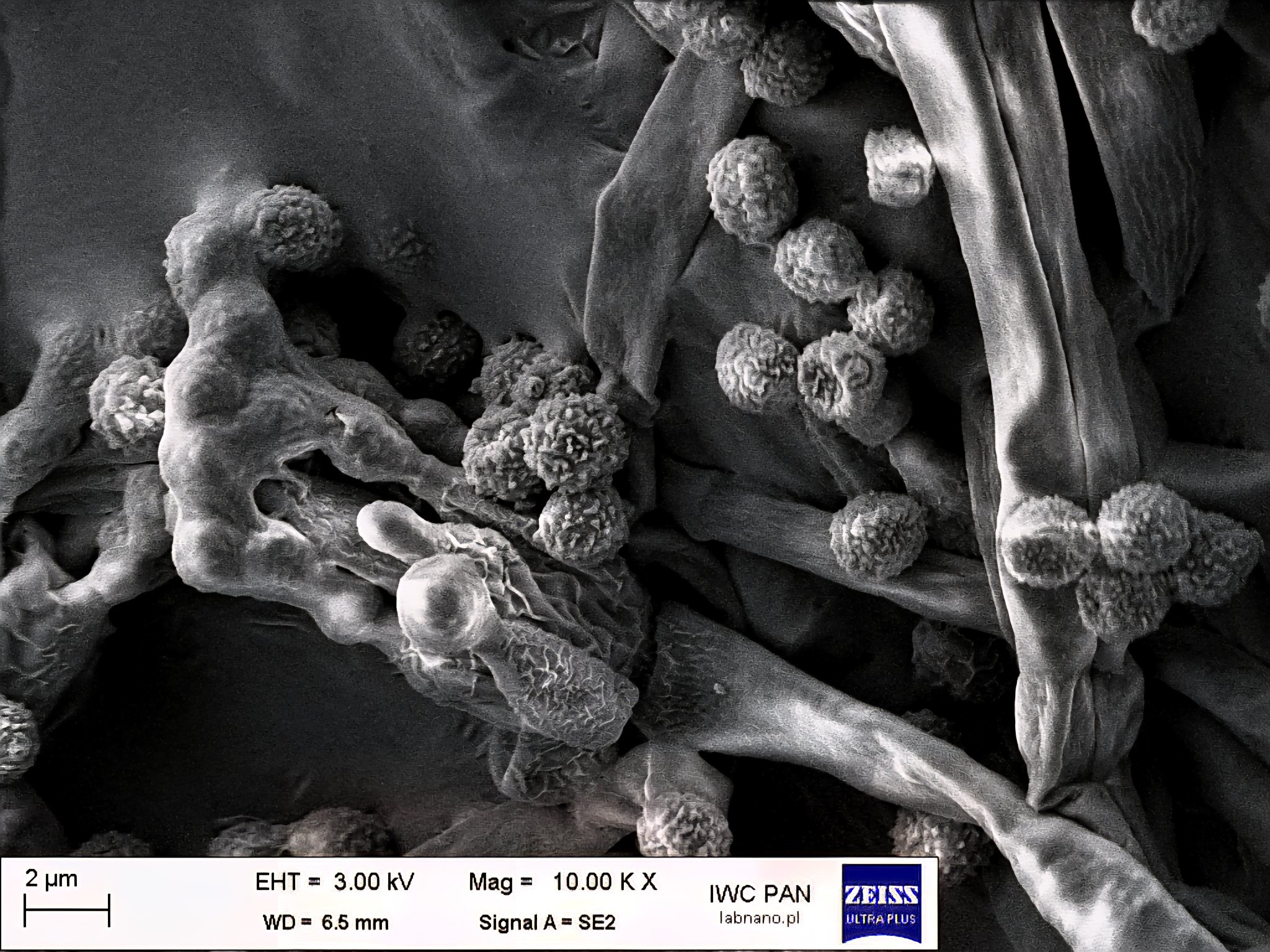
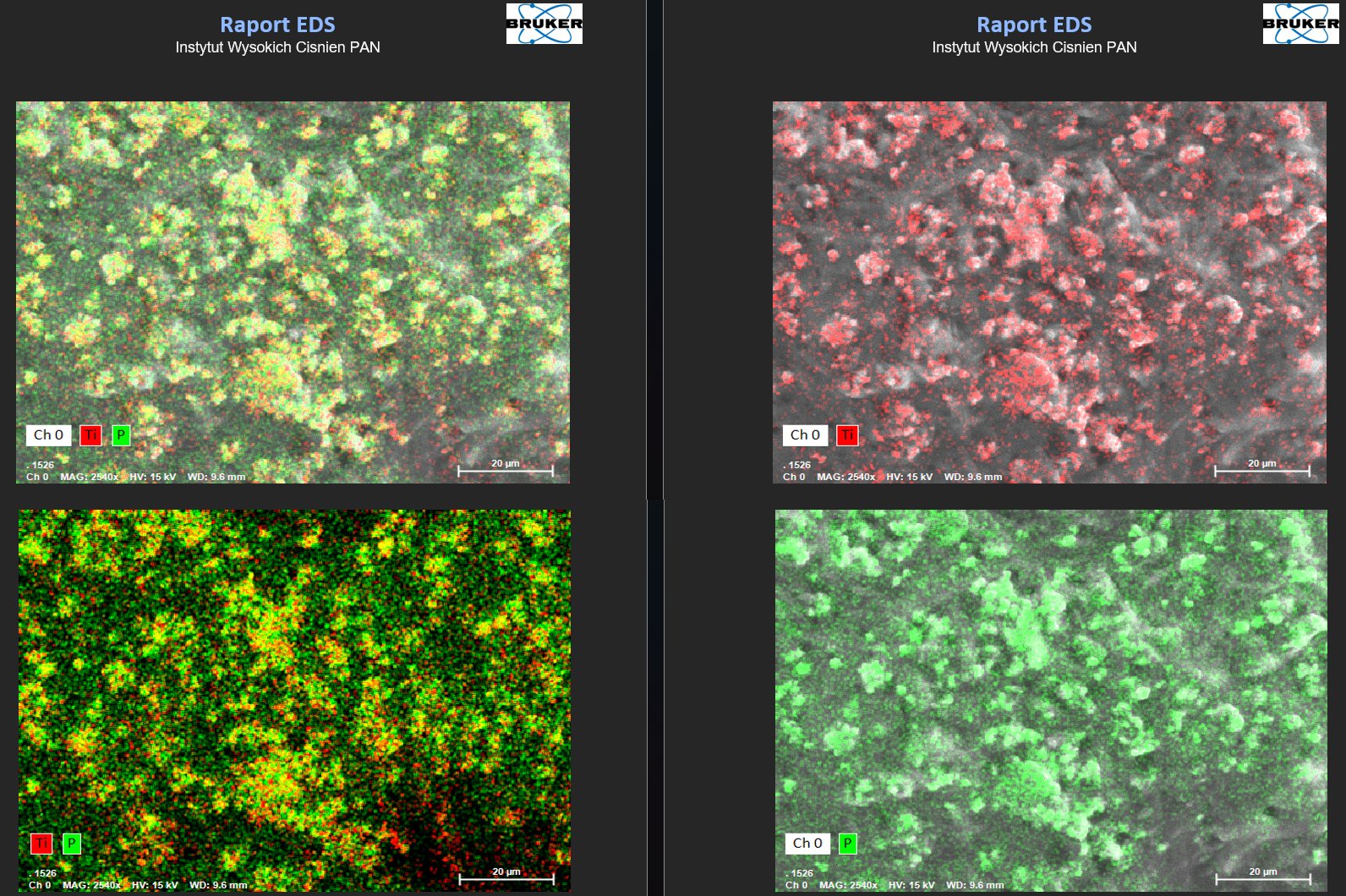
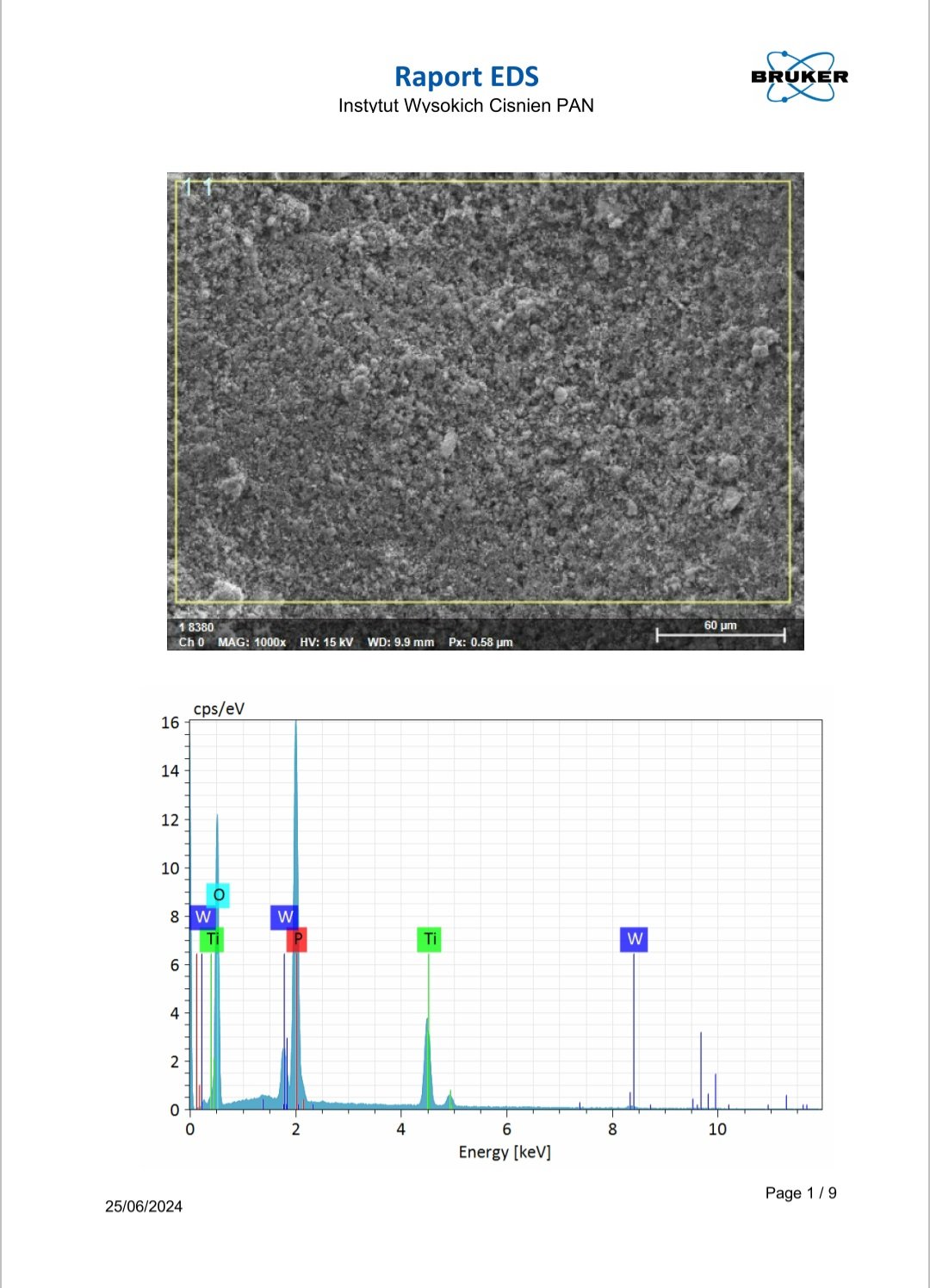
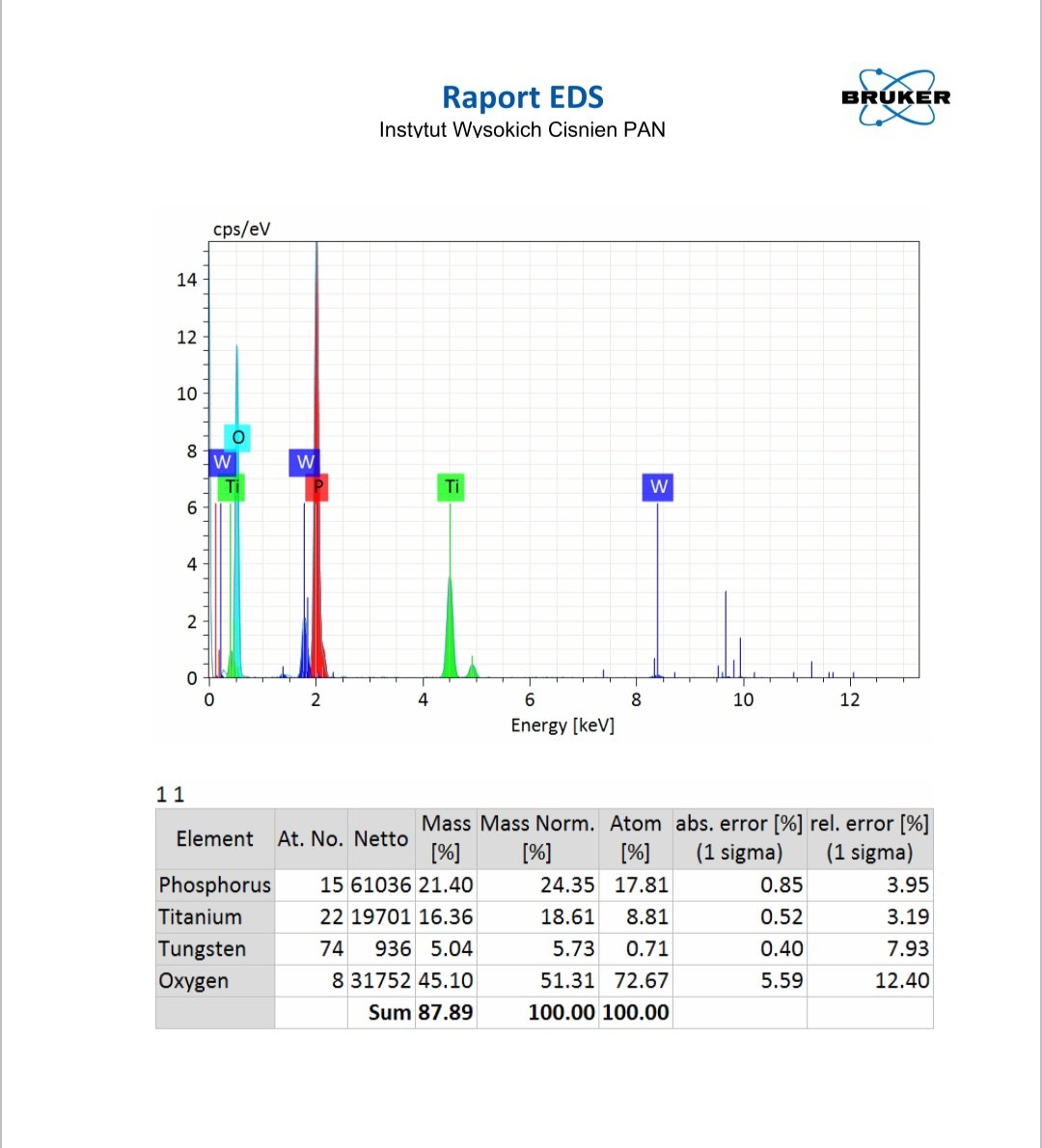
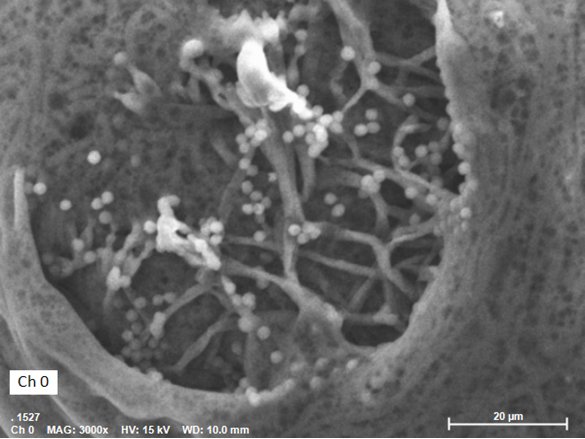
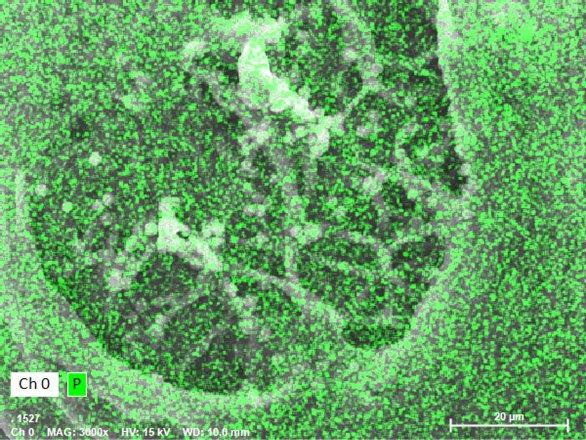
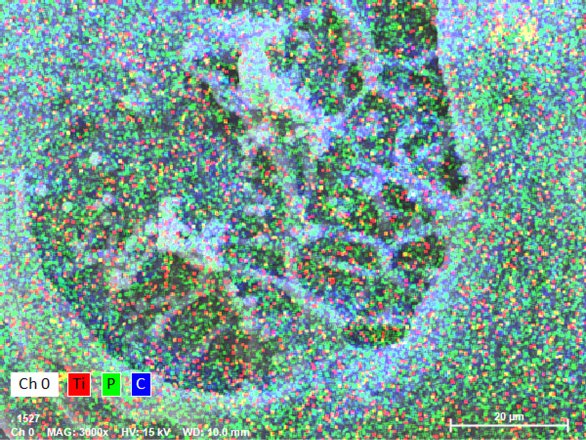
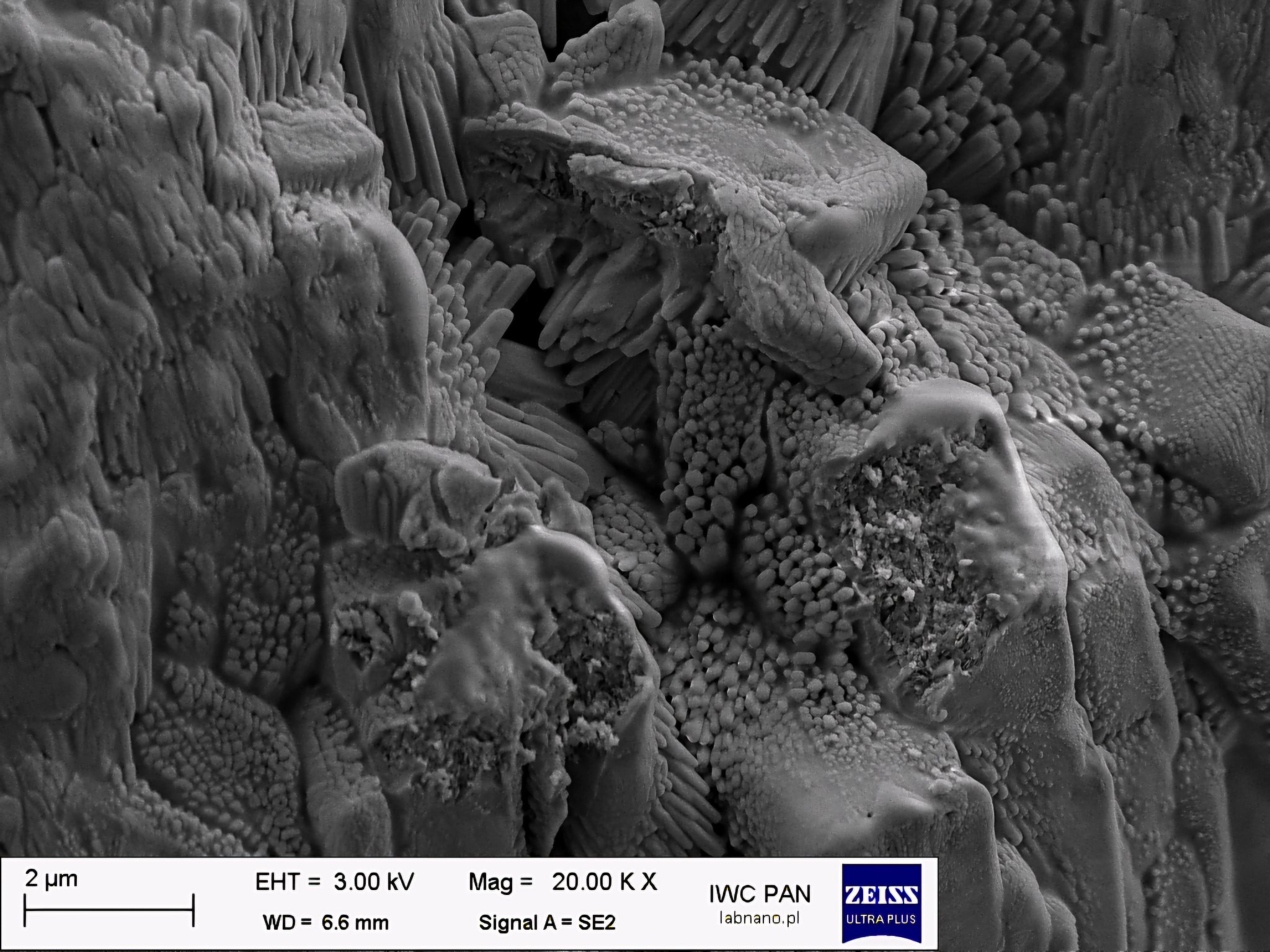
SEM/EDS analyses show the clear presence of phosphorus and titanium nanostructures in the biological structure of the prepared Aspergillus sample – and this element appears to be crucial. Phosphate bonds play a crucial role in biological processes, so their presence in nanomaterials may explain why these surfaces promote the adhesion and growth of microorganisms. This is the first step towards their use in biomaterials, regenerative medicine, and bioactive carriers.
The Importance of Phosphorus
SEM/EDS analyses revealed something important:
👉 phosphorus is present in the structure.
These phosphate bonds may explain why the nanostructures become so compatible with biological organisms.
Phosphates are the Foundation of Life
ATP, DNA, phospholipids. Incorporating them into nanomaterials ensures that surfaces not only don't reject biology but actually support it (adhesion, biofilm, growth).
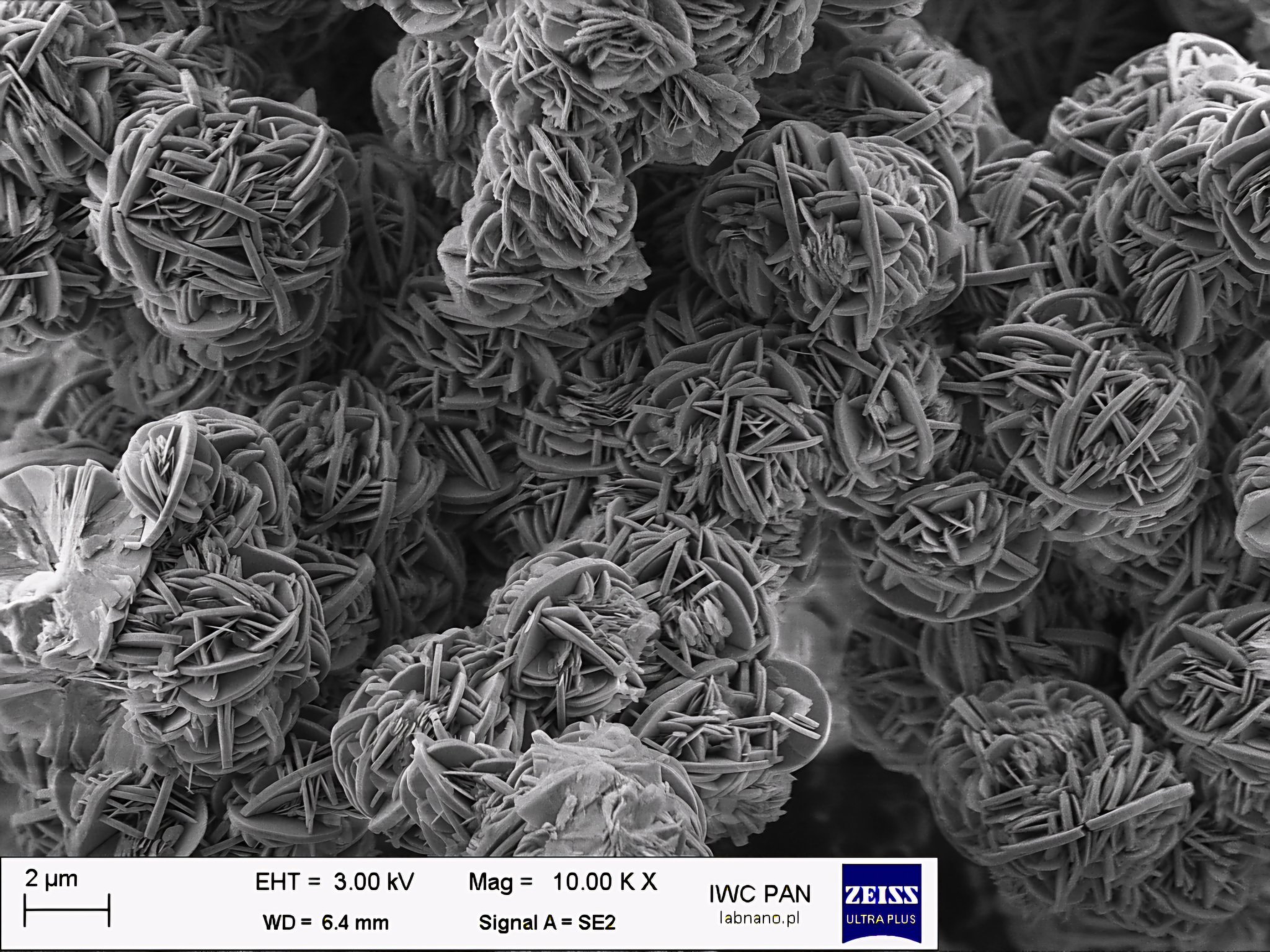
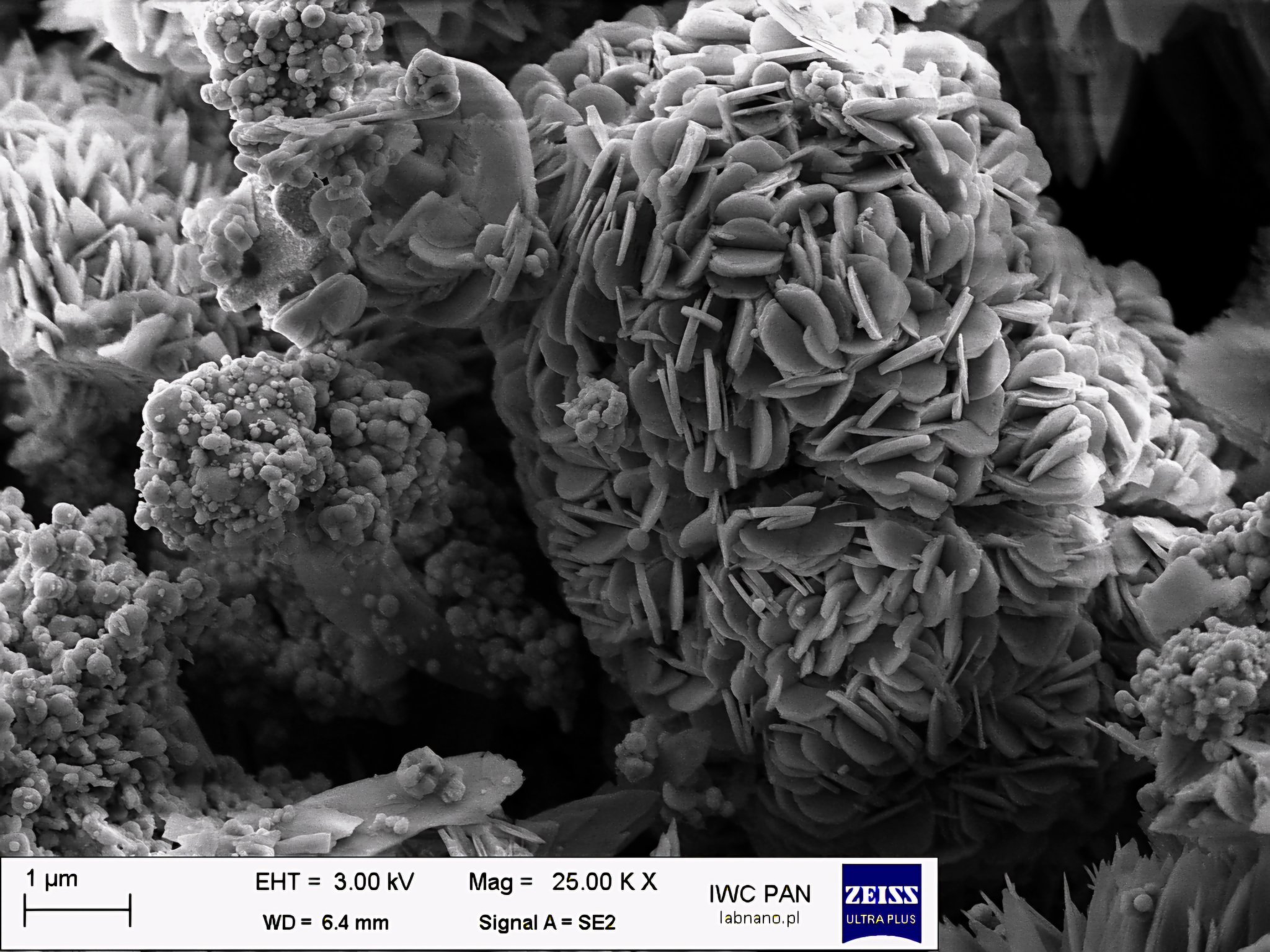
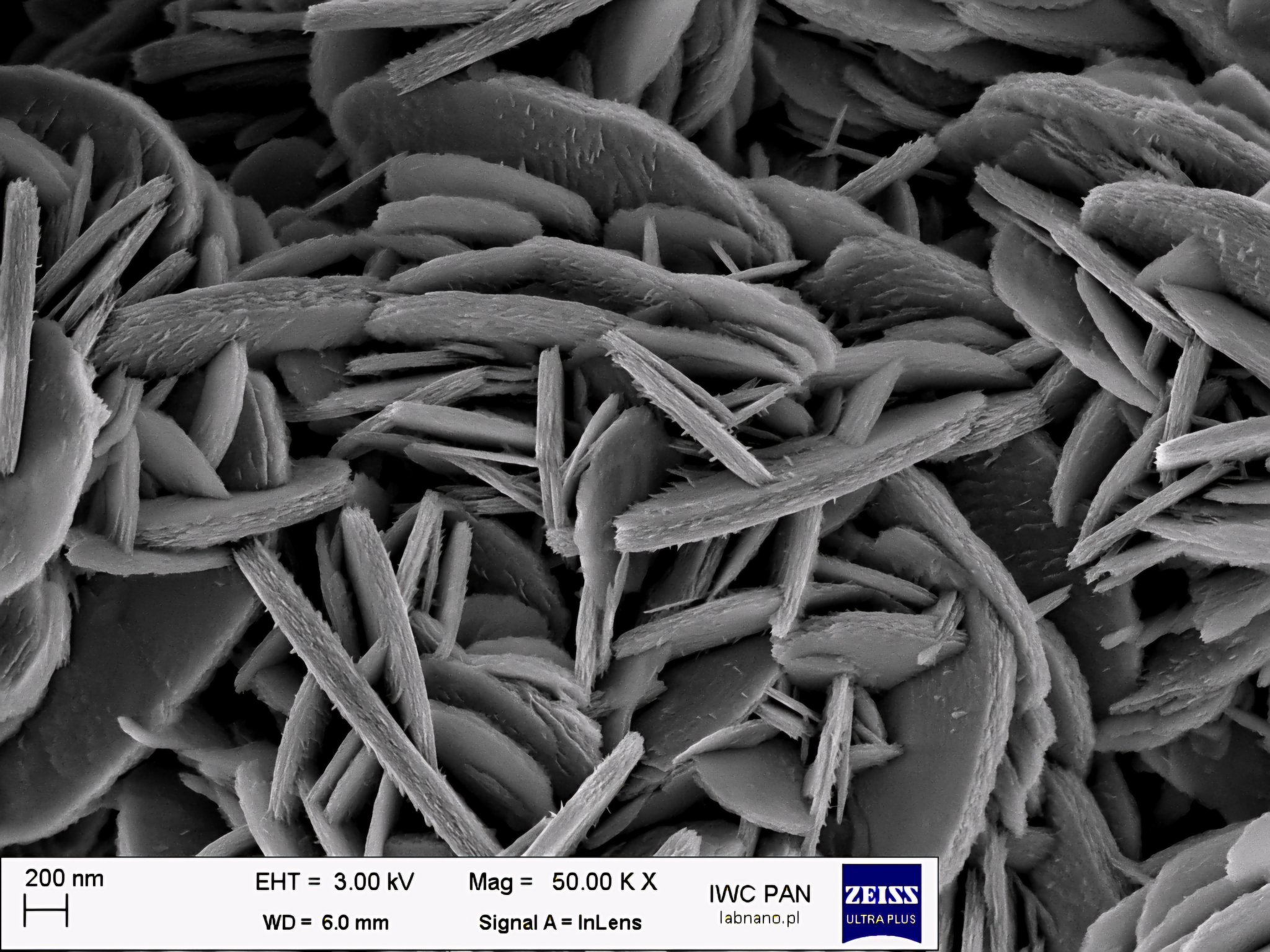
Proven Biocompatibility
This opens up completely new paths:
🧬 regenerative medicine
🦠 intelligent biomaterials
💊 carriers for bioactive substances
This is just the beginning, but the direction is promising. 🚀
Applications of Nanostructures in Tribology
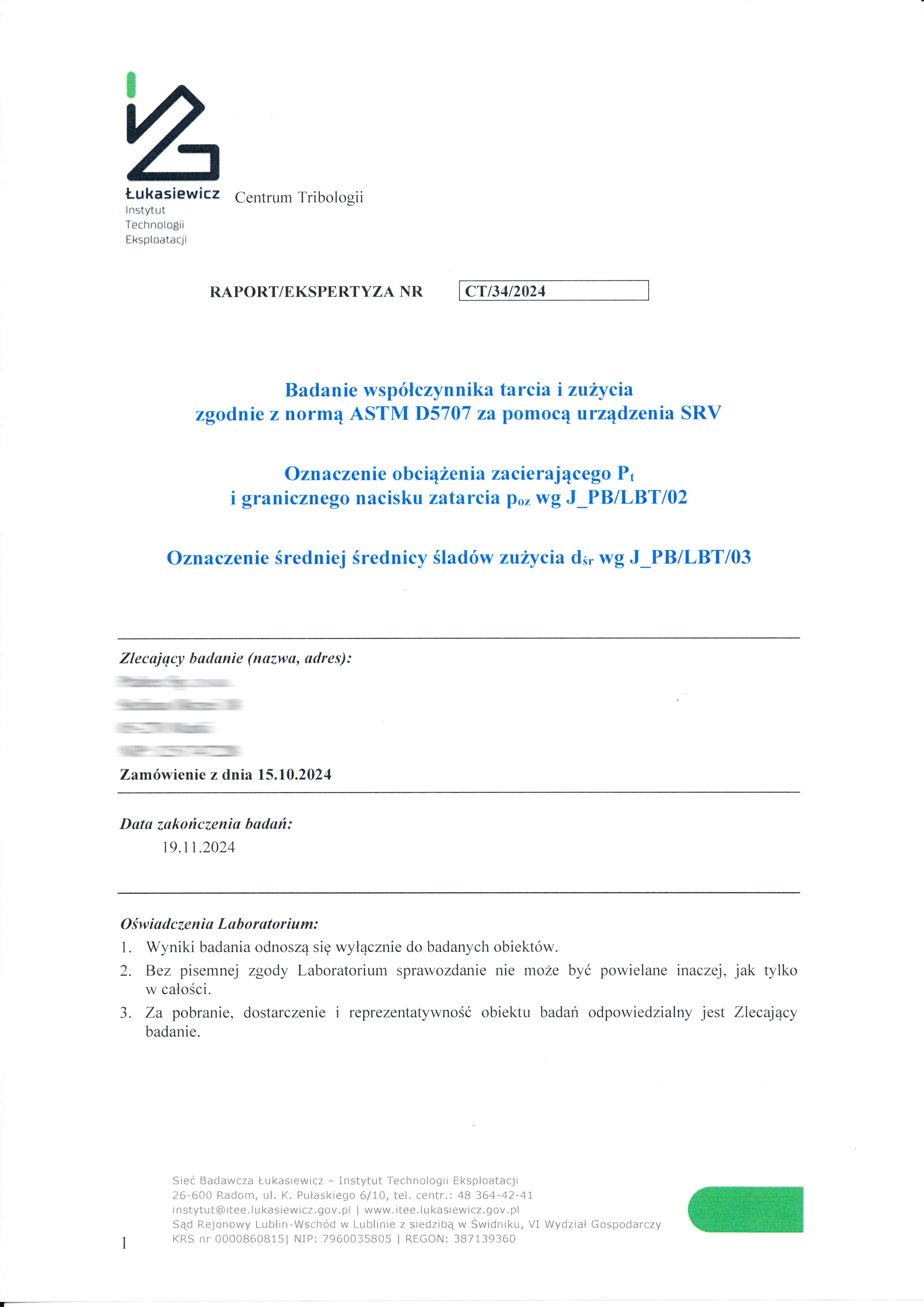
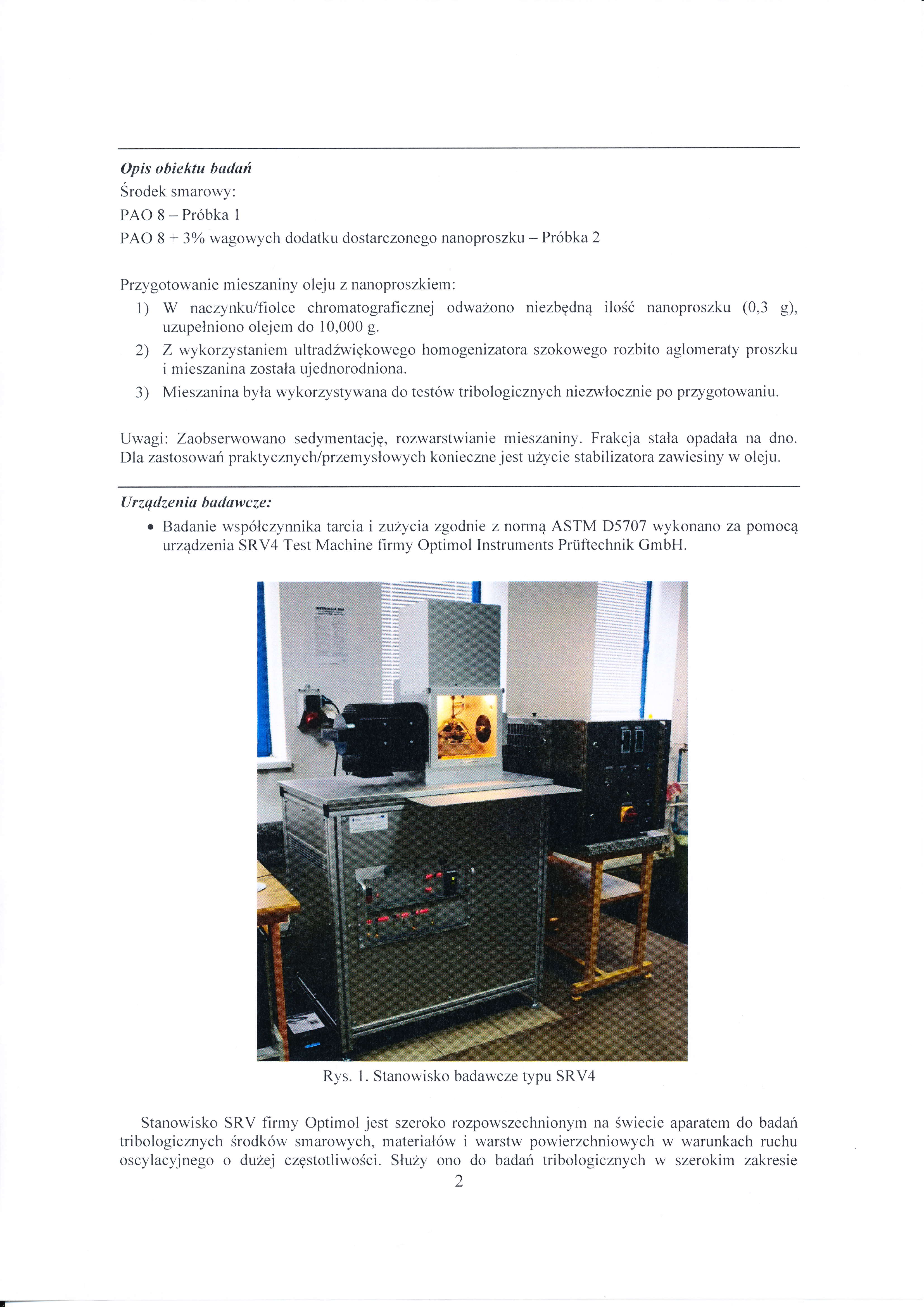
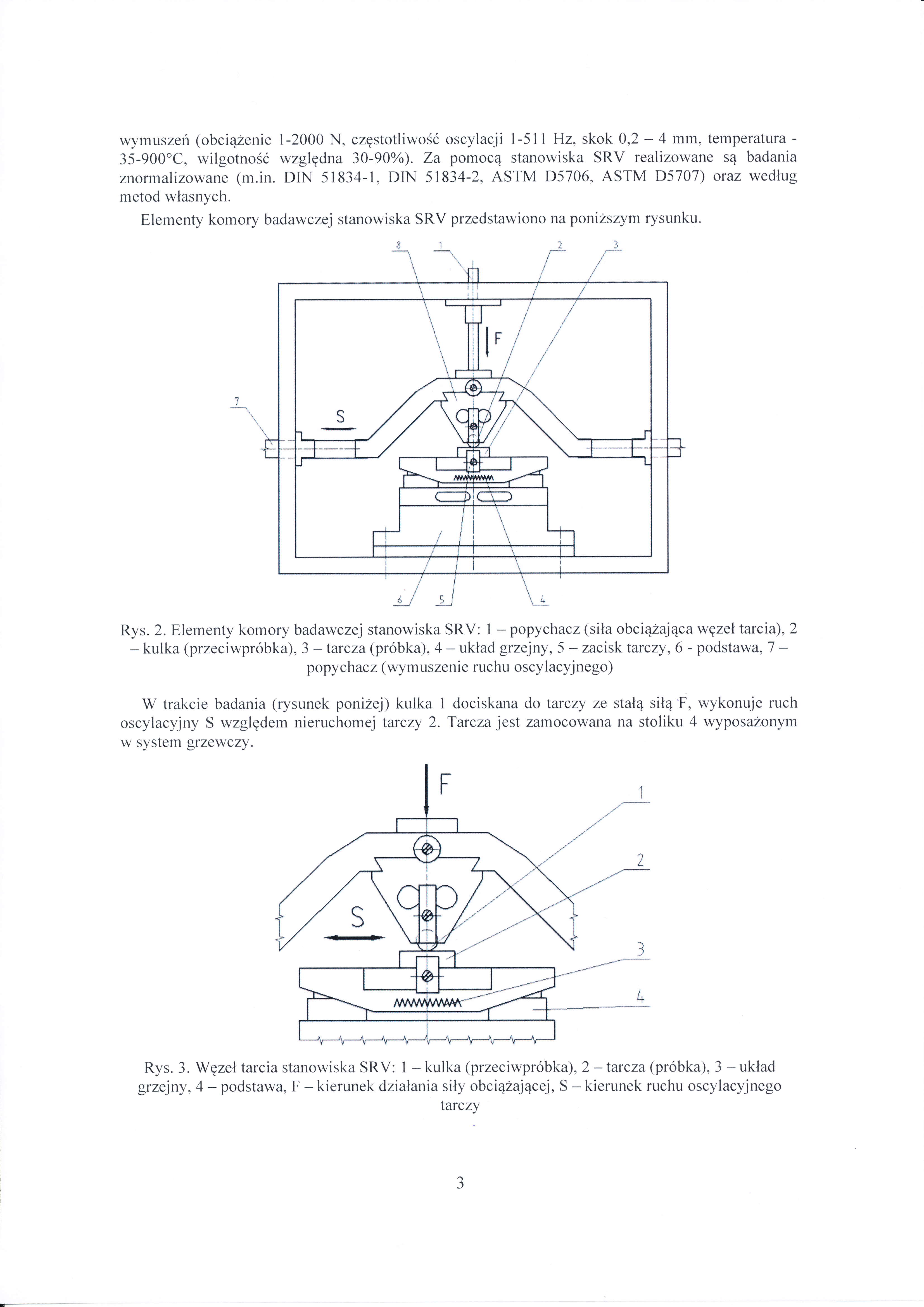
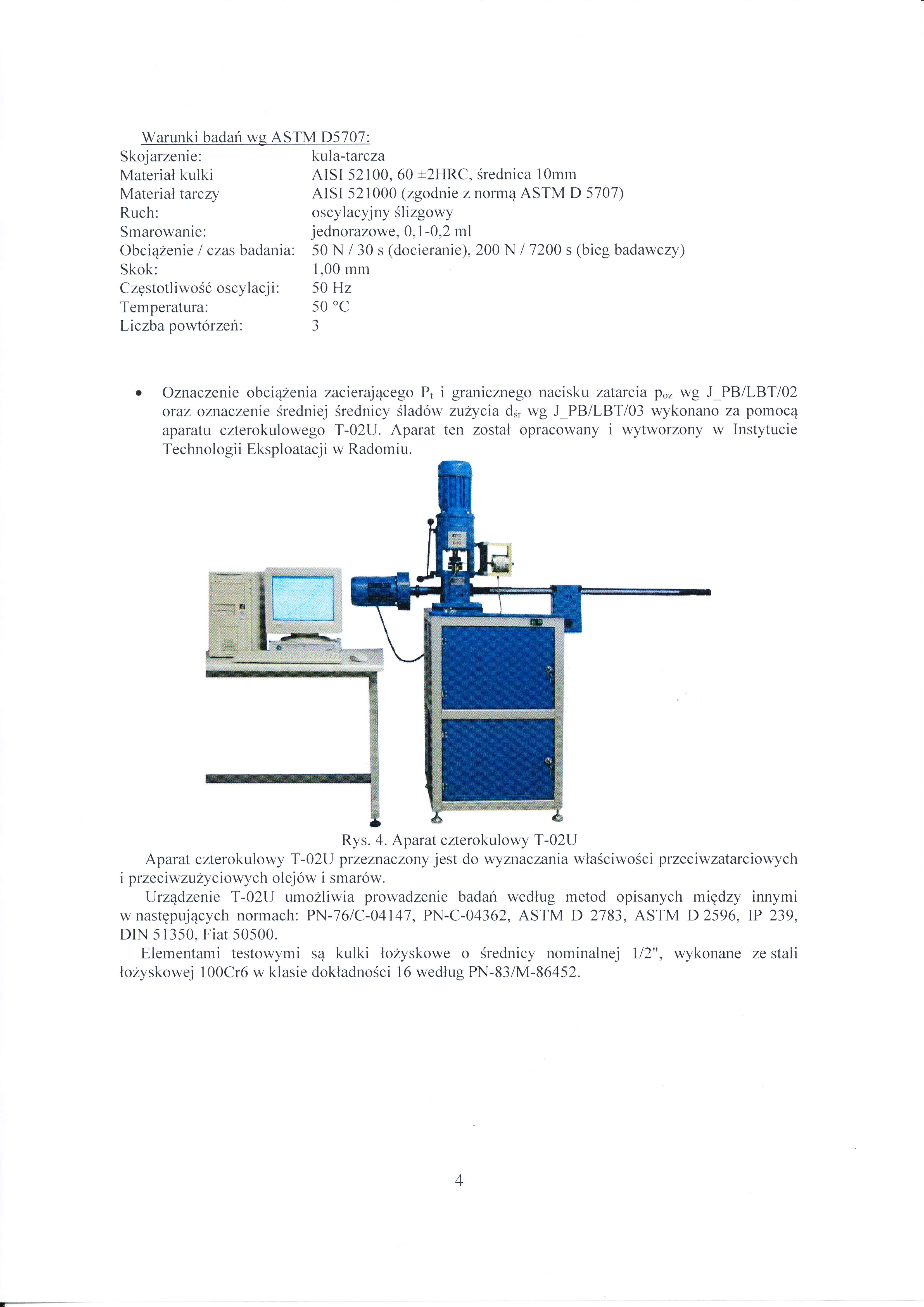
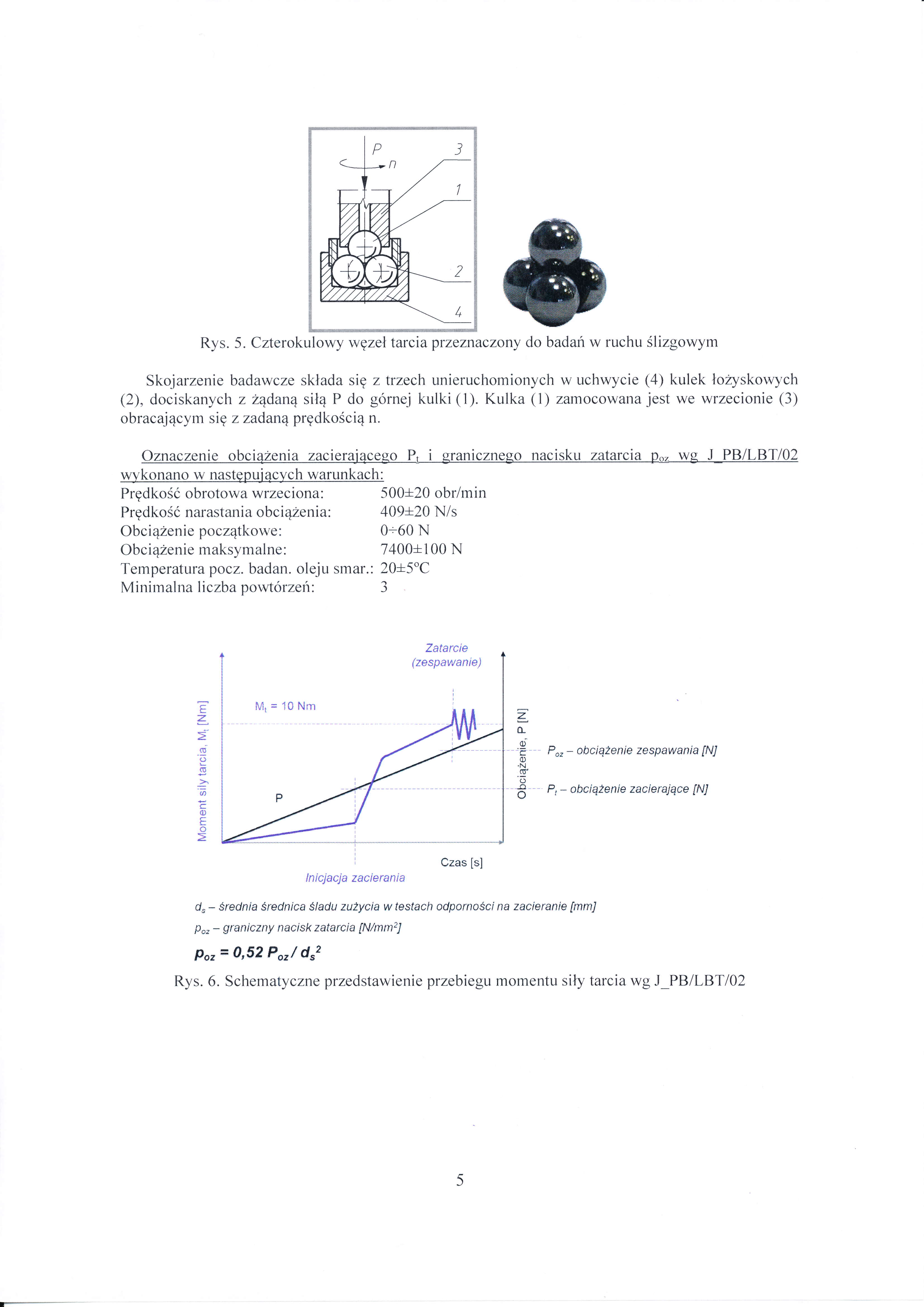
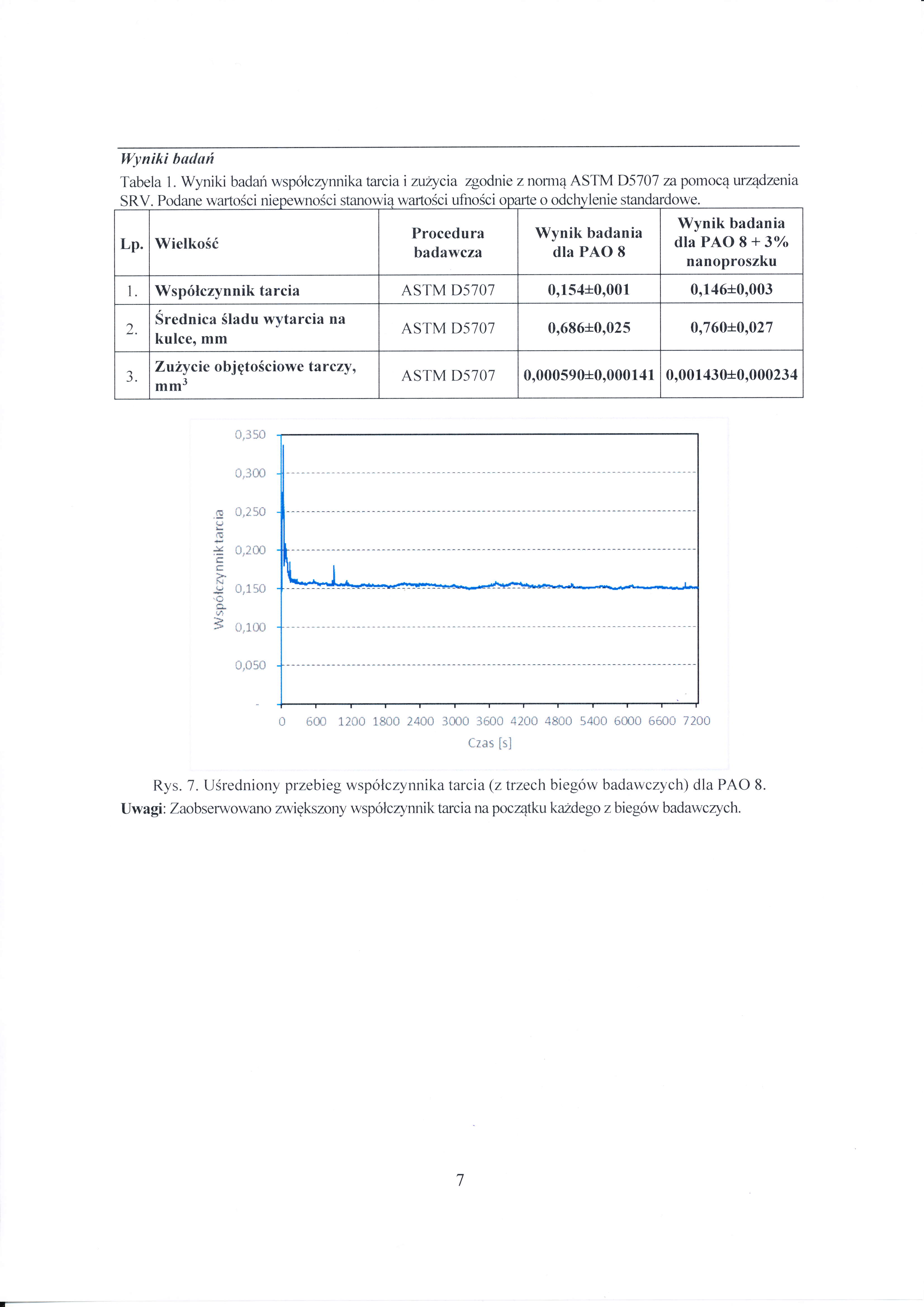
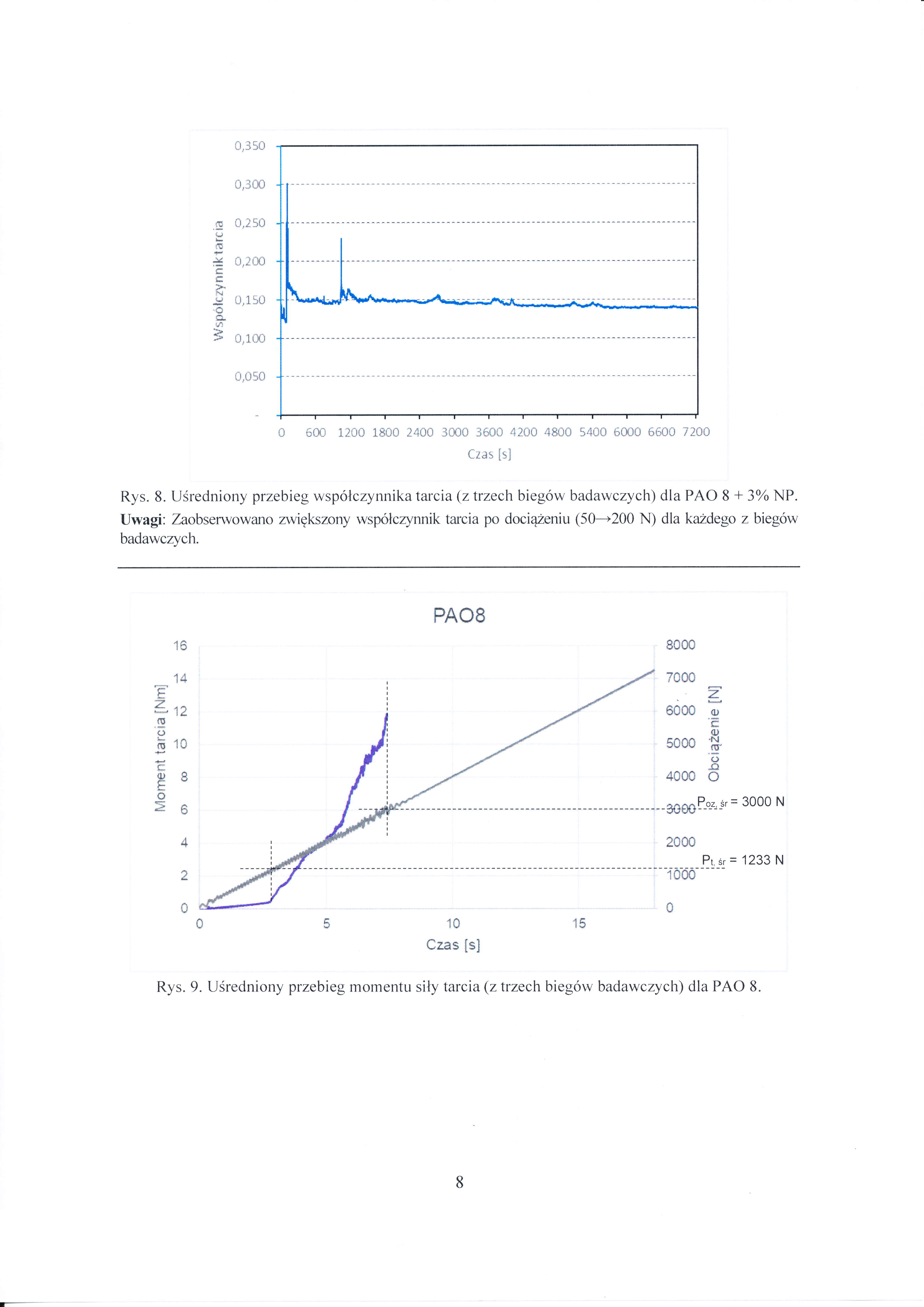
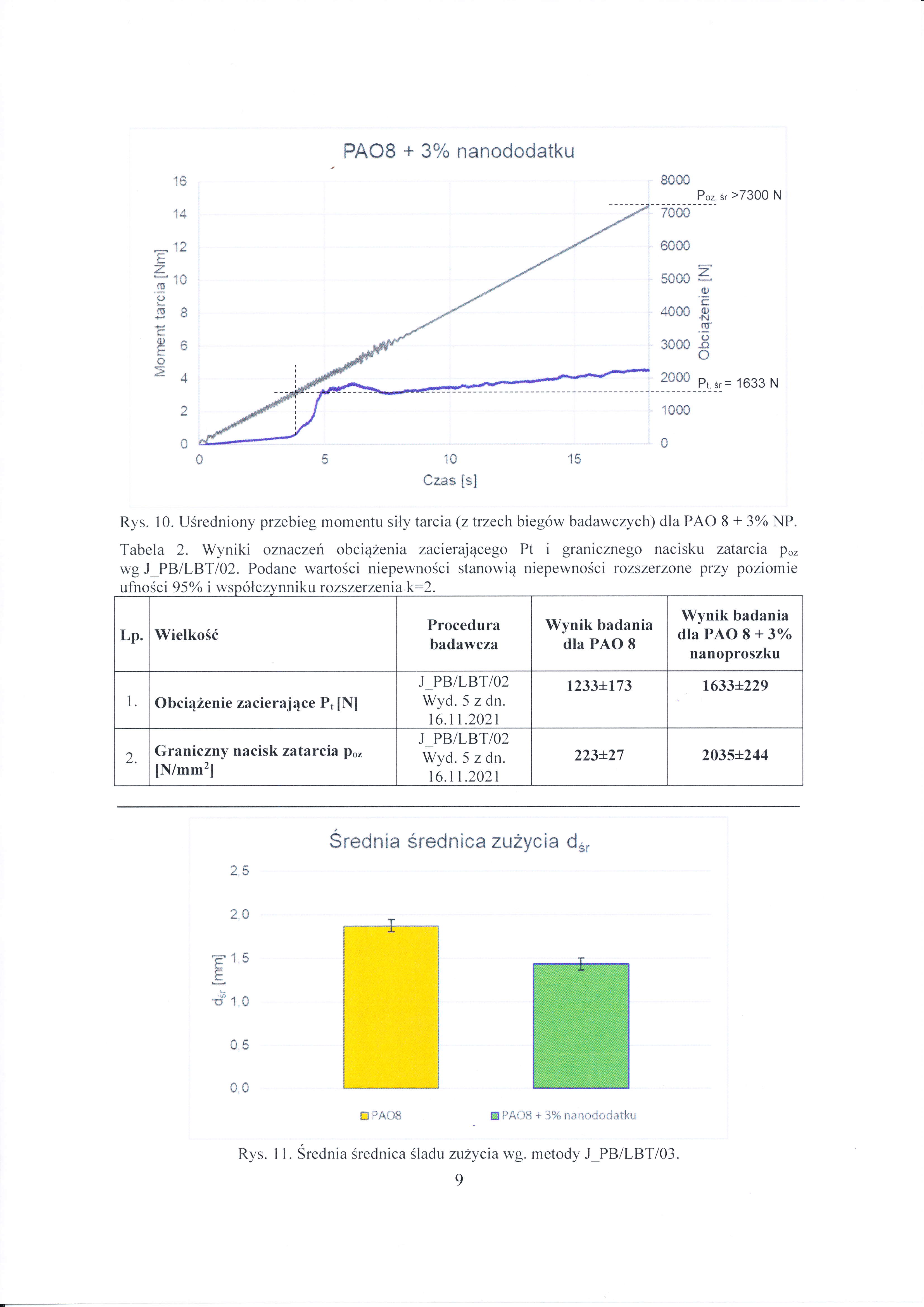
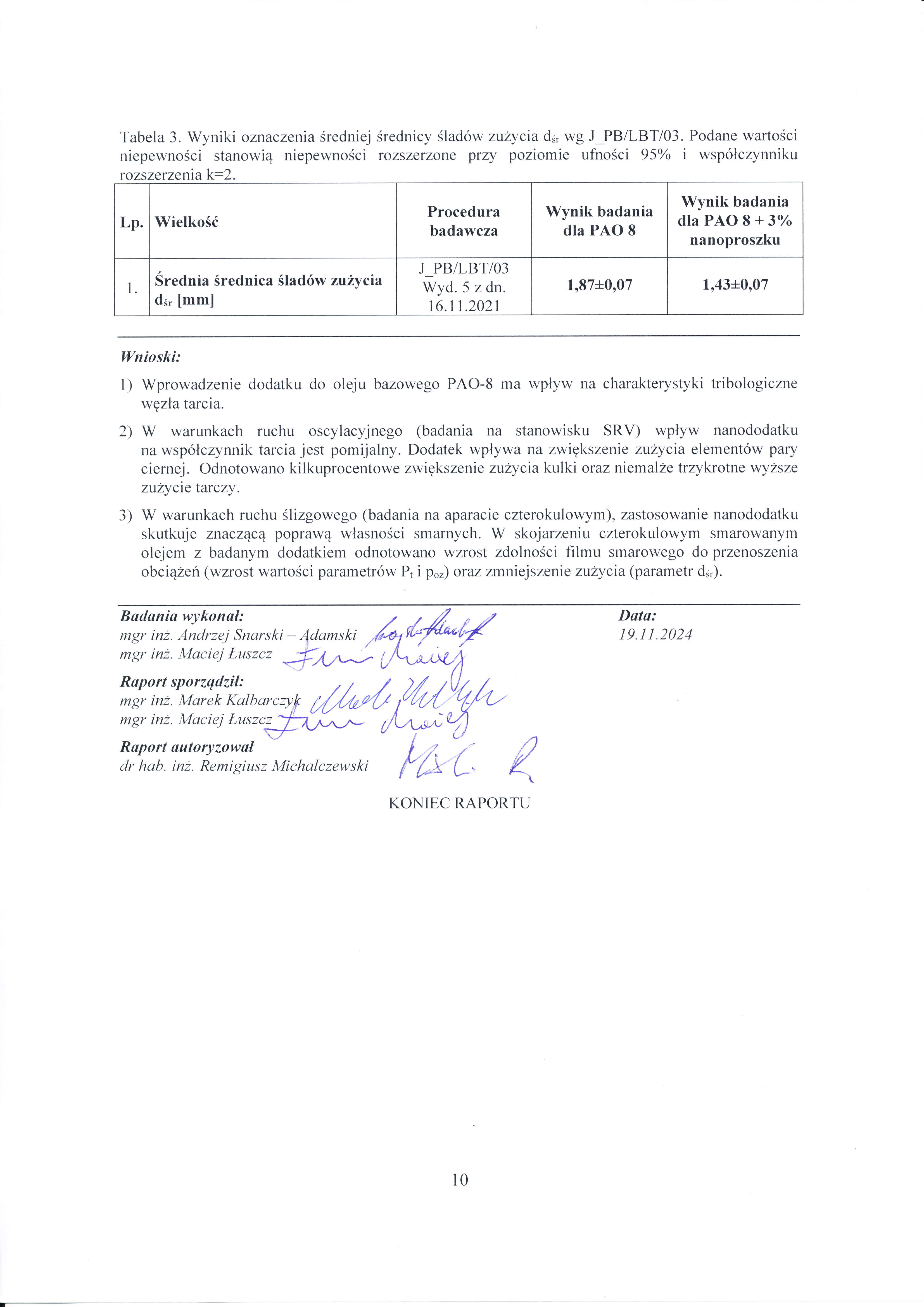
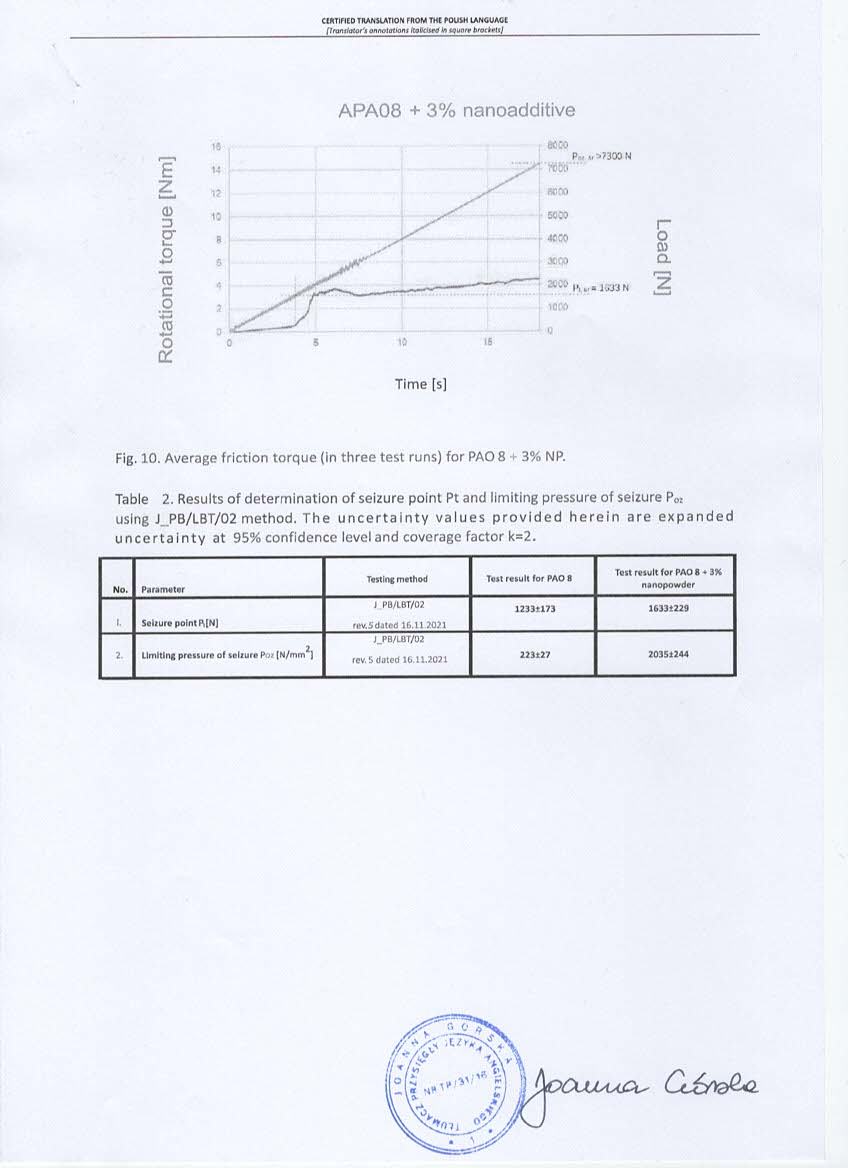
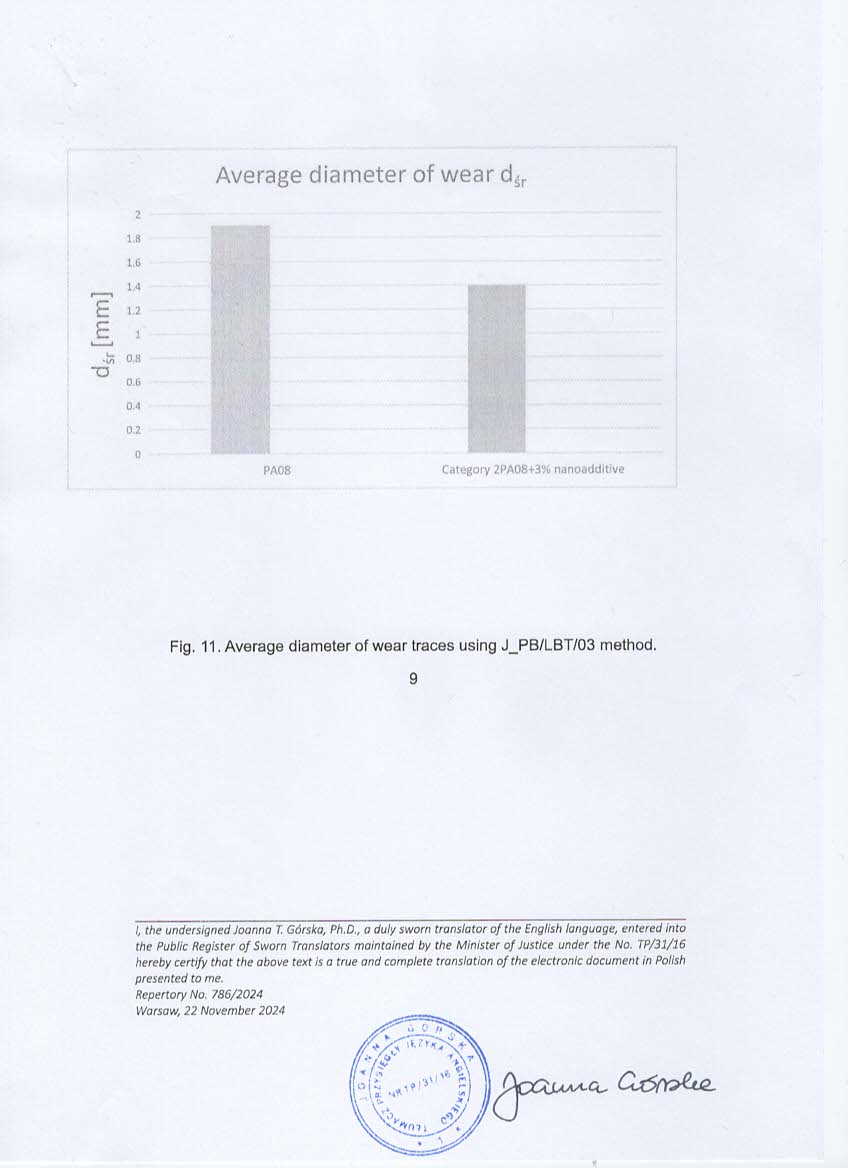
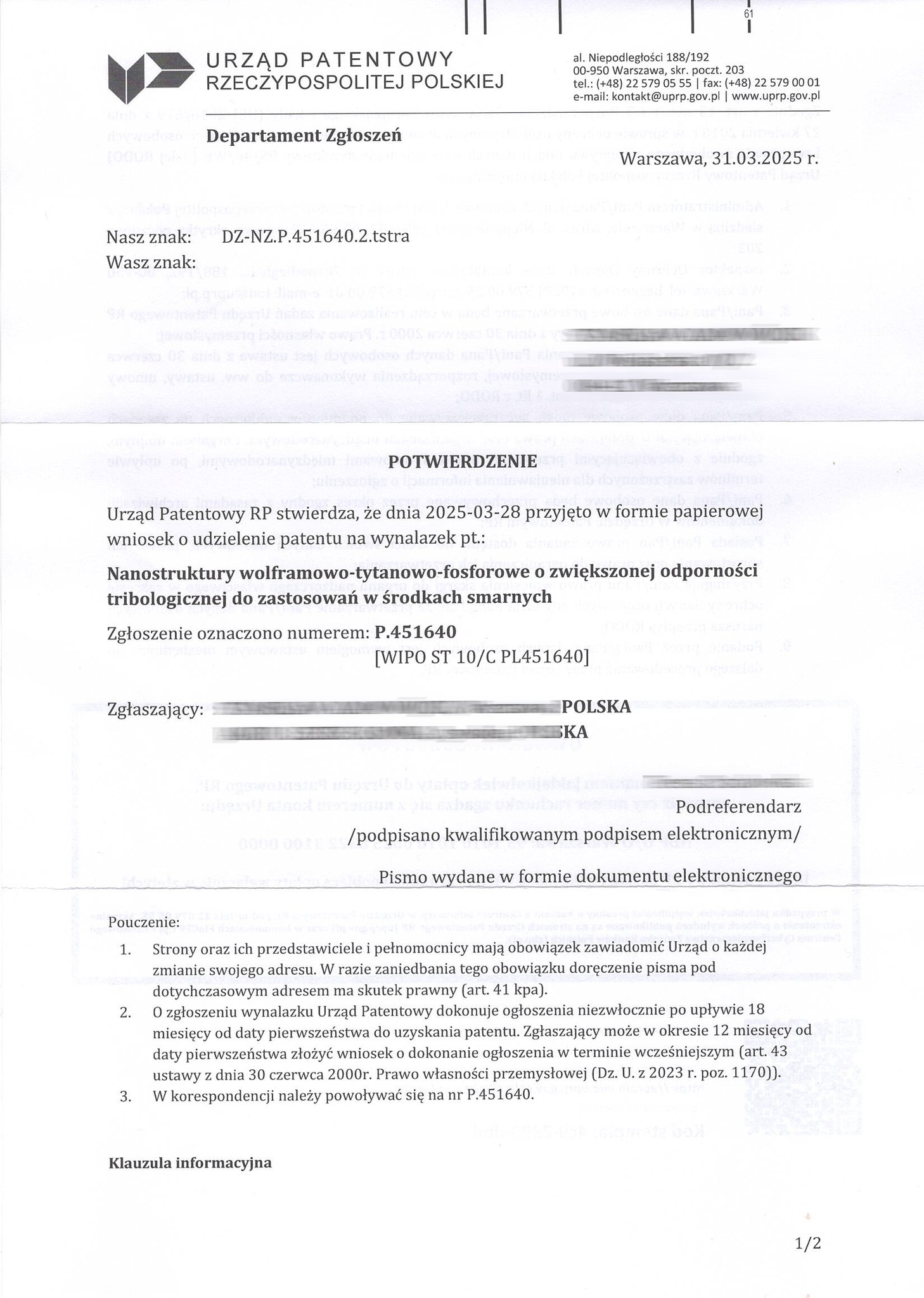
After gaining accreditation from the Łukasiewicz Research Institute in tribology, where it was demonstrated that the addition of just 3% of our nanostructures increases the oil's load-bearing capacity by approximately 32%, reduces wear by approximately 24%, and causes a TEN-FACTOR increase in the pressure the oil can withstand under extreme conditions, we are now focusing our efforts on refining the morphology of our tungsten-titanium nanostructures in further areas. 💡
We are currently analyzing the specific surface area potential of our latest nanostructures for use in next-generation batteries and supercapacitors. We are conducting detailed studies on the Specific Surface Area Analyzer at the Institute of High Pressure Physics of the Polish Academy of Sciences, using SEM techniques to continuously modify the morphology to precisely refine their structure and maximize their capabilities.
The goal is to maximize the charging potential of the specific surface area and introduce breakthrough solutions to the world of energy storage. 🔋⚡

Applications of Nanostructures as an Oil Additive
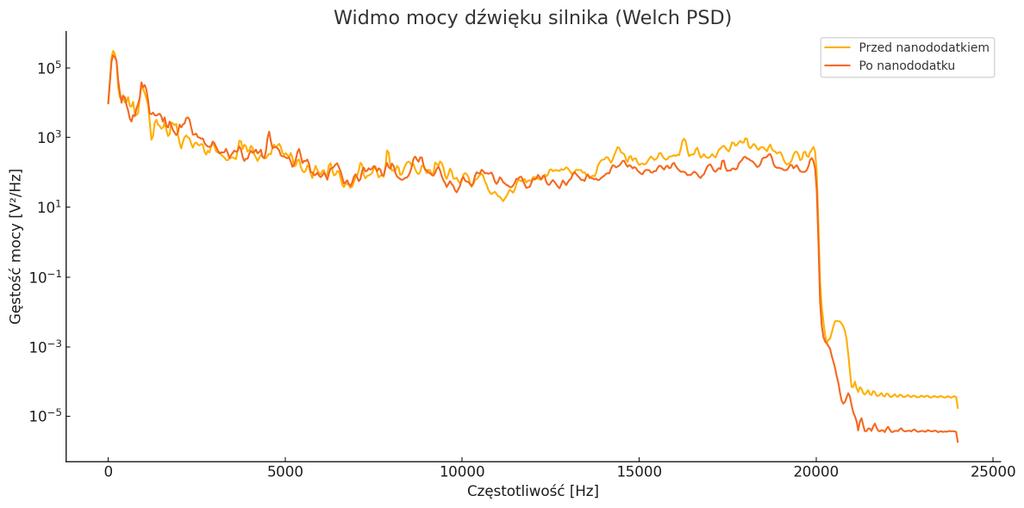
🔊 The engine with our tungsten-titanium nanostructures runs noticeably quieter and smoother.
📉 Over 36% reduction in vibration (RMS) and a flattened resonance spectrum – it's not just a "nice sound." It's real benefits:
✅ Less wear on bearings and valves
✅ Reduced material fatigue
✅ Longer engine and component life
✅ Reduced energy losses due to vibration
It's like soundproofing a mechanical heart. 🧠⚙️
Wide Range of Applications of Nanostructures
Our nanostructures are currently undergoing extensive research to demonstrate their potential for use in modern lubricants, advanced coatings, engine oil additives, space technologies, and other applications.
Unique surface morphology enables advanced heat dissipation and regulation, catalysis, and biomedical applications.
A New Class of Metabolic Biostimulants
The developed preparation represents a new category of technology in the biotechnology of plants and photosynthetic microorganisms – energy biostimulants of cellular metabolism.
Unlike traditional preparations used in agriculture and microalgae cultivation, which only provide nutrients or growth regulators, the developed technology directly increases the availability of biological energy in cells by providing the equivalent of adenosine triphosphate (ATP).
This allows for a direct increase in the rate of metabolic reactions and intensification of biomass biosynthesis processes.
Unique mechanism of action -
Most available biostimulants act indirectly by:
• supplying minerals
• hormonal stimulation
• improving the soil microbiome
• supplying amino acids or plant extracts.
The preparation works at a more fundamental biological level, increasing the availability of energy necessary for all metabolic processes. ATP is a universal energy carrier in cells and participates in:
• protein biosynthesis,
• cell division,
• active ion transport,
• carbohydrate and lipid metabolism,
• nitrogen assimilation,
• chlorophyll synthesis.
Increasing the availability of ATP in the cell leads to a global intensification of metabolism and accelerated biomass growth.
Independence of growth from light intensity/presence -
One of the key innovations in technology is the ability to partially make the growth of photosynthetic organisms independent of light intensity.
ATP is naturally produced during the light phase of photosynthesis and provides an energy source for the dark phase, where the synthesis of organic compounds occurs.
External ATP supply enables some metabolic processes to continue even under conditions of limited light.
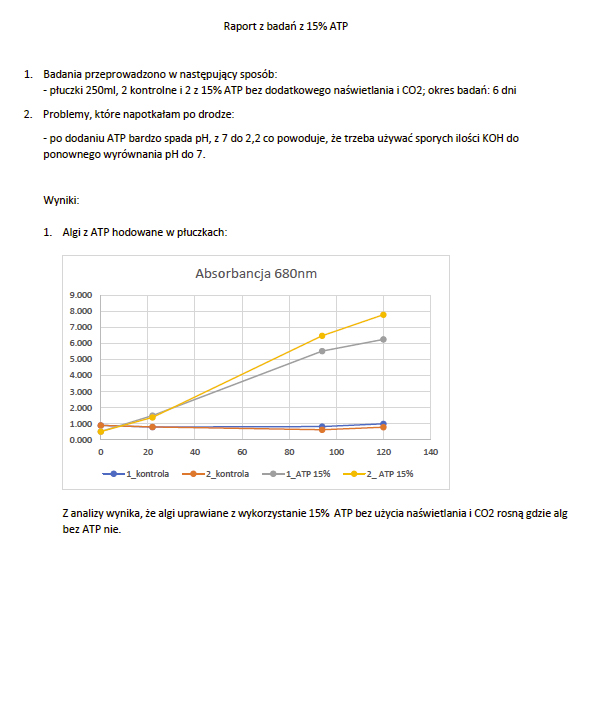
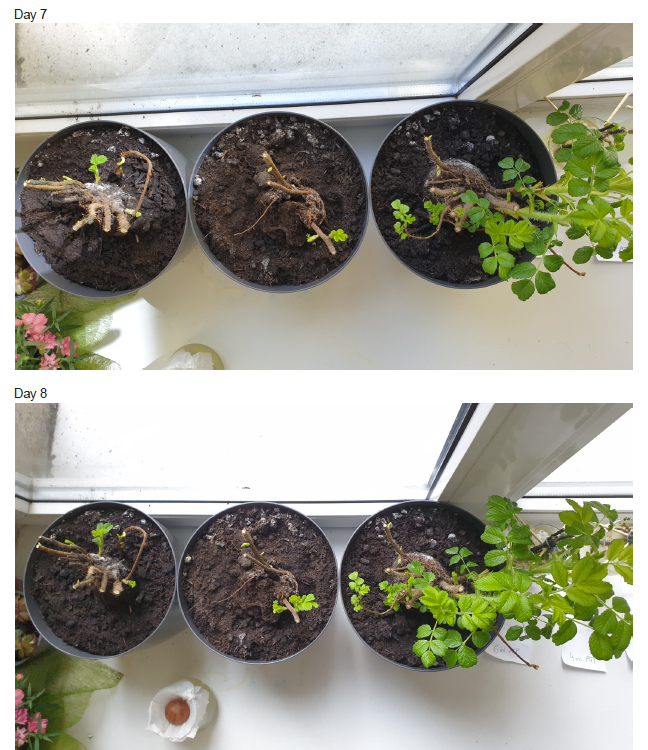
Experiments have shown that
plants can continue to grow with very limited access to light,
microalgae demonstrate metabolic activity even without access to light and CO₂.
This property opens up new possibilities in the following areas:
• greenhouse cultivation,
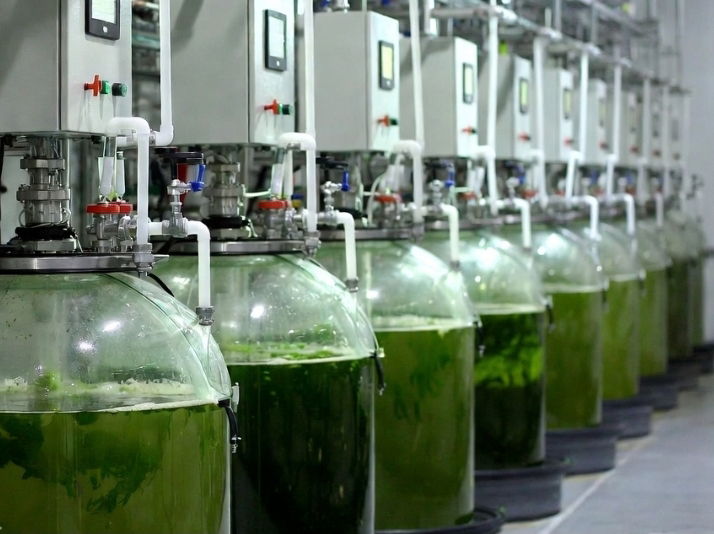
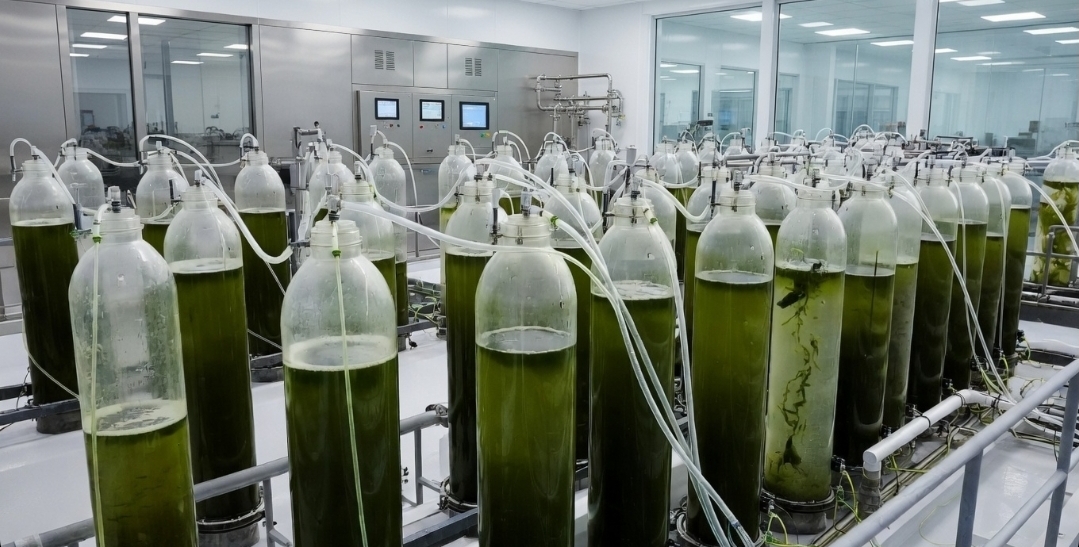
• microalgae production in closed bioreactors,
• cultivation in regions with low sunlight.
Increased biomass production
Studies conducted on plants and microalgae indicate a significant increase in biomass production in the presence of the preparation.
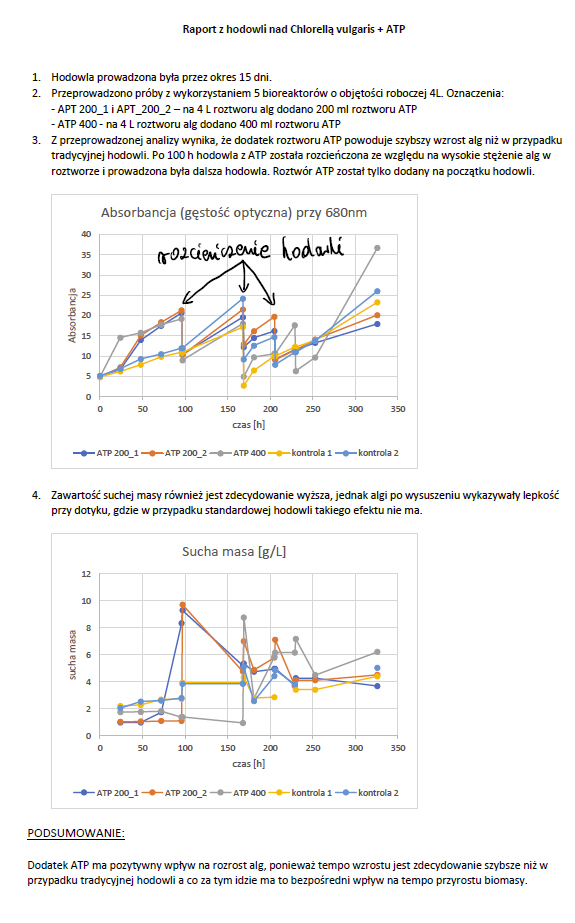
In the case of the microalgae Chlorella vulgaris, the following were observed:
accelerated biomass growth to approximately 60%,
an increase in dry matter content by 40–70%.
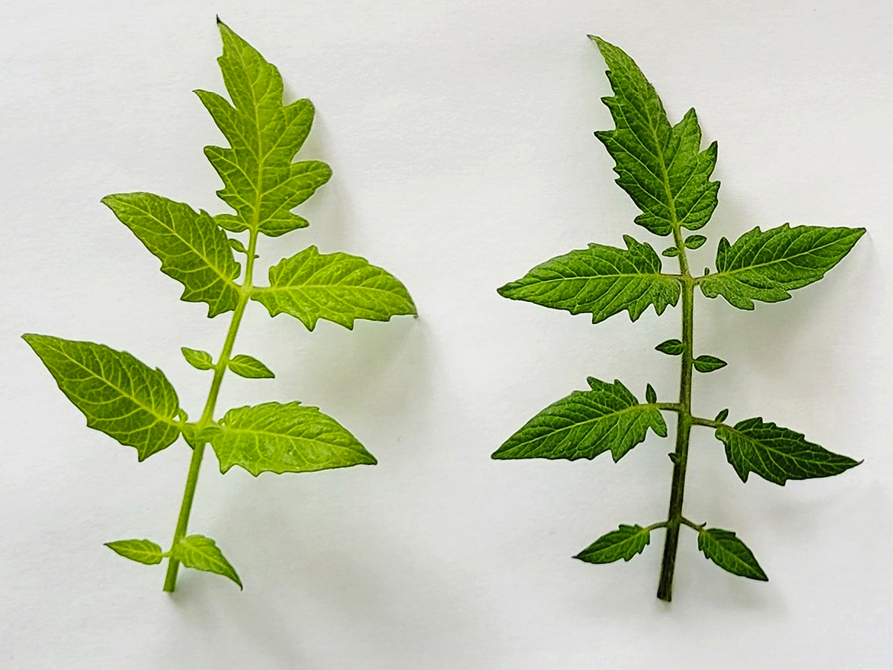
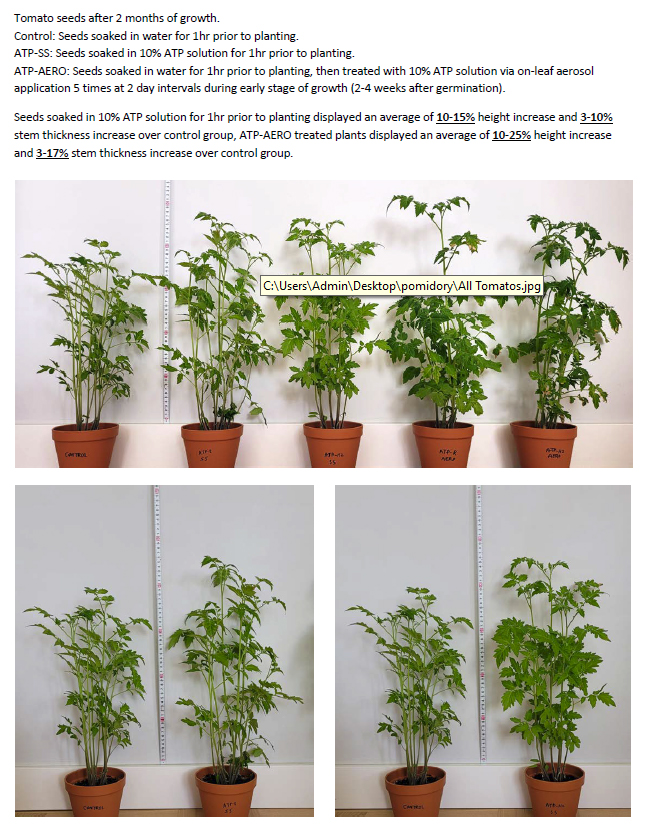
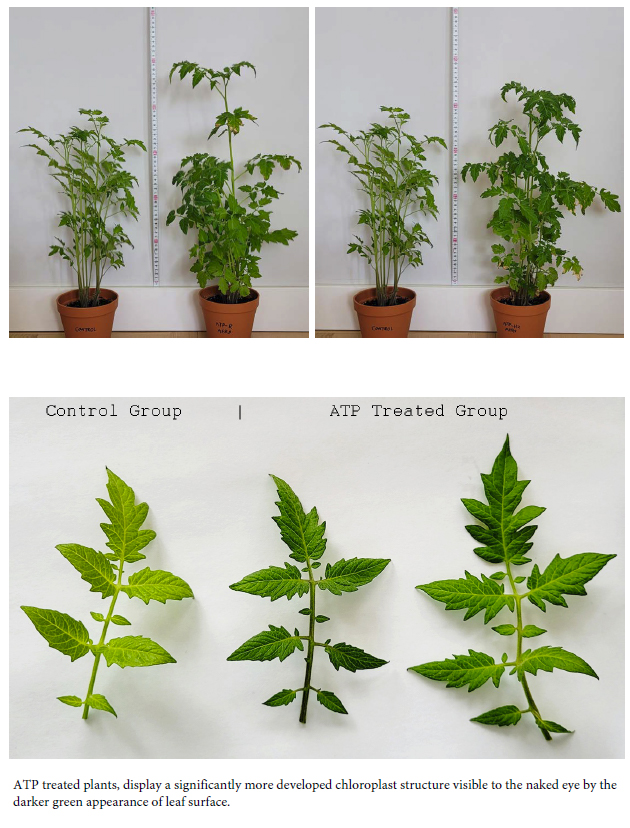
In experiments on plants, the following were observed:
• greater leaf mass,
• faster shoot growth,
• earlier flowering,
• larger fruit.
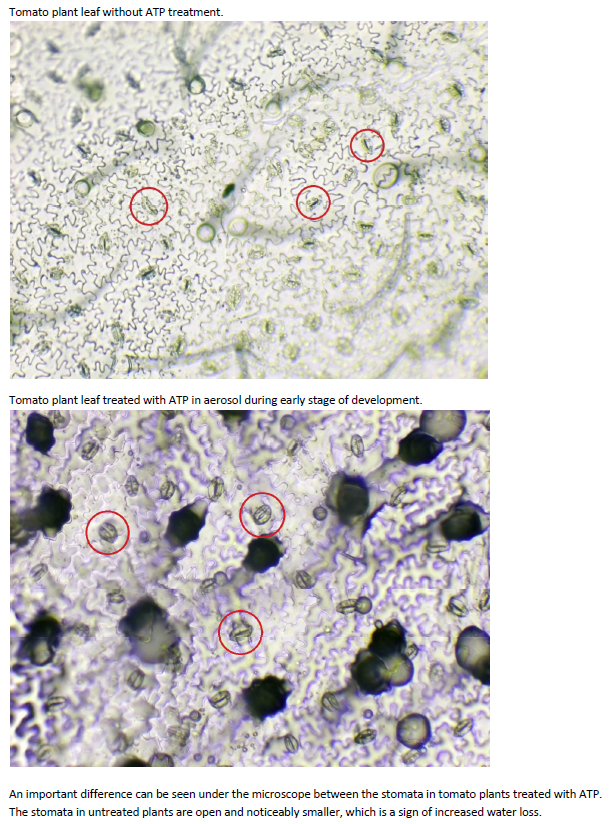
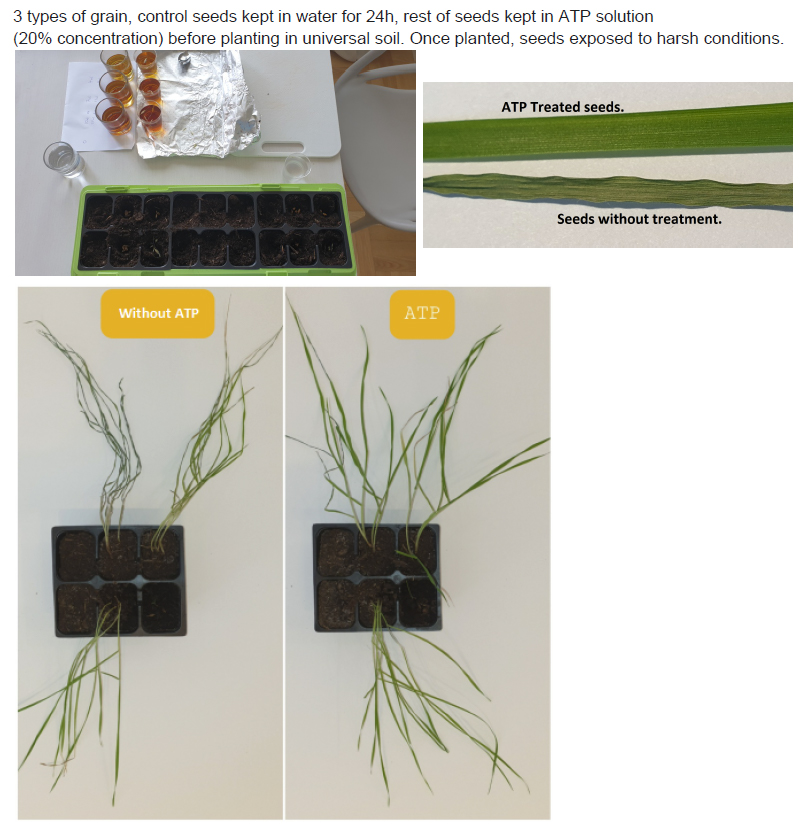
Improved resistance to environmental stress:
The preparation also exhibits properties that increase plant resistance to unfavorable environmental conditions.
Studies have observed increased tolerance to:
• drought,
• low temperature,
• light deficiency,
• limited water availability.
This mechanism results from the greater availability of cellular energy, which enables the activation of defense and adaptive processes.
The ATP preparation technology is highly scalable and can be used in various biotechnology sectors:
• agriculture and horticulture,
• enhancing yields,
• improving plant health.
Microalgae production, in which the preparation guarantees:
• increasing the rate of biomass production,
• shortening the cultivation cycle,
• biofuel production becomes more efficient by increasing the amount of lipid biomass, which affects the efficiency of biodiesel production.
The technology allows for maximizing production in bioreactor systems, which allows for cultivating plants in closed and controlled systems.
The most important innovation of the technology is the introduction of the concept of energetic stimulation of the metabolism of photosynthetic organisms. Unlike traditional methods of increasing yield and biomass, which focus on supplying nutrients, ATP directly increases the availability of biological energy in cells.
This allows for:
• acceleration of metabolic processes,
• increased biomass production,
• improved stress resistance,
• partial light independence for growth.

Scientific Publications
Apyrases, extracellular ATP and the regulation of growth
Greg Clark and Stanley J Roux
https://pubmed.ncbi.nlm.nih.gov/21855397/
Extracellular ATP
A modulator of cell death and pathogen defense in plants
Stephen Chivasa, Daniel F. A. Tomé, Alex M. Murphy, John M. Hamilton, Keith
Lindsey, John P. Carr & Antoni R. Slabas
https://pmc.ncbi.nlm.nih.gov/articles/PMC2819519/
Extracellular ATP in Plants. Visualization, Localization, and Analysis of Physiological Significance in Growth and Signaling
University of Illinois, Urbana-Champaign, University of Missouri
https://pubmed.ncbi.nlm.nih.gov/16963521/
Extracellular ATP is a central signaling molecule in plant stress responses
Yangrong Cao, Kiwamu Tanaka, Cuong T Nguyen and Gary Stacey
https://pubmed.ncbi.nlm.nih.gov/24865948/
Extracellular ATP signaling in plants
Kiwamu Tanaka, Simon Gilroy, Alan M. Jones and Gary Stacey
Division of Plant Sciences, University of Missouri, Columbia, MO 65211, USA Botany Department, University of Wisconsin, Madison, WI 53706, USA Departments of Biology and Pharmacology, University of North Carolina, Chapel Hill, NC 27599, USA
https://pubmed.ncbi.nlm.nih.gov/20817461/
The Signaling Role of Extracellular ATP and its Dependence on Ca2þ Flux in Elicitation of Salvia miltiorrhiza Hairy Root Cultures
Shu-Jing Wu, Yuan-Shuai Liu and Jian-Yong Wu
Department of Applied Biology and Chemical Technology, The Hong Kong Polytechnic University, Hung Hom, Kowloon, Hong Kong, PR China
https://pubmed.ncbi.nlm.nih.gov/18325935/
The Role of ATP in Mechanically Stimulated Rapid Closure of the Venuss-Flytrap
Received for publication March 10, 1972
M. J. J AFFE
Department of Botany, Ohio University, Athens, Ohio 45701
https://pmc.ncbi.nlm.nih.gov/articles/PMC367348/
The effects of extracellular adenosine 50-triphosphate on the tobacco proteome
Stephen Chivasa, William J. Simon, Alex M. Murphy, Keith Lindsey, John P. Carr and Antoni R. Slabas
https://pmc.ncbi.nlm.nih.gov/articles/PMC367348/
Phosphatidic acid formation is required for extracellular ATP-mediated nitric oxide production in suspension cultured tomato cells
Daniela J. Sueldo*, Noelia P. Foresi, Claudia A. Casalongue´, Lorenzo Lamattina and Ana M. Laxalt
Instituto de Investigaciones Biolo´gicas, Universidad Nacional de Mar del Plata, CC 1245, 7600 Mar
del Plata, Argentina
https://pubmed.ncbi.nlm.nih.gov/20356346/
Extracellular ATP,nitricoxideandsuperoxideactcoordinatelytoregulate hypocotyl growthinetiolated Arabidopsis seedlings
Claudia Tono´n, Marı´a CeciliaTerrile, Marı´a Jose´ Iglesias, LorenzoLamattina,ClaudiaCasalongue´ n Instituto deInvestigacionesBiolo´gicas (UE-IIB-CONICET-UNMDP),Facultad de Ciencias Exactasy Naturales, Universidad Nacionalde Mardel Plata, Funes 3250, 7600 Mardel Plata, Argentina
https://pubmed.ncbi.nlm.nih.gov/19962212/
Extracellular ATP is a regulator of pathogen defence in plants
Stephen Chivasa, Alex M. Murphy, John M. Hamilton, Keith Lindsey, John P. Carr and Antoni R. Slabas
Creative Gene Technology Ltd, The Integrative Cell Biology Laboratory, Durham University, Durham DH1 3LE, UK,
School of Biological and Biomedical Sciences, Durham University, Durham DH1 3LE, UK, and
Department of Plant Sciences, University of Cambridge, Cambridge CB2 3EA, UK
https://pubmed.ncbi.nlm.nih.gov/19594709/
Extracellular ATP Inhibits Root Gravitropism at Concentrations That Inhibit Polar Auxin Transport1
Wenqiang Tang, Shari R. Brady, Yu Sun, Gloria K. Muday, and Stanley J. Roux
Section of Molecular Cell and Developmental Biology, University of Texas, Austin, Texas 78712 (W.T., Y.S.,
S.J.R.); and Department of Biology, Wake Forest University, Winston-Salem, North Carolina 27109 (S.R.B.,
G.K.M.)
https://pmc.ncbi.nlm.nih.gov/articles/PMC166795/
Extracellular ATP Induces Nitric Oxide Production in Tomato Cell Suspensions
Noelia P. Foresi, Ana M. Laxalt, Claudia V. Tono´ n, Claudia A. Casalongue´, and Lorenzo Lamattina
Instituto de Investigaciones Biolo´gicas, Universidad Nacional de Mar del Plata, 7600 Mar del Plata, Argentina
https://pmc.ncbi.nlm.nih.gov/articles/PMC2048788/
Evidence of a Novel Cell Signaling Role for Extracellular Adenosine Triphosphates and Diphosphates in Arabidopsis
Collene R. Jeter, Wenqiang Tang, Elizabeth Henaff, Tim Butterfield, and Stanley J. Roux
Section of Molecular Cell and Developmental Biology, University of Texas, Austin, Texas 78712
https://pubmed.ncbi.nlm.nih.gov/15367717/
Extracellular ATP Functions as an Endogenous External Metabolite Regulating Plant Cell Viability
Stephen Chivasa, Bongani K. Ndimba, William J. Simon, Keith Lindsey, and Antoni R. Slabas,
Creative Gene Technology, Integrative Cell Biology Laboratory, School of Biological and Biomedical Sciences,
University of Durham, Durham DH1 3LE, United Kingdom Department of Biotechnology, University of the Western Cape, Bellville, Cape Town, South Africa School of Biological and Biomedical Sciences, University of Durham, Durham DH1 3LE, United Kingdom
https://pubmed.ncbi.nlm.nih.gov/16199612/
Is ATP a Signaling Agent in Plants?
Vadim Demidchik, Christopher Nichols, Markiyan Oliynyk, Adeeba Dark, Beverley J. Glover, and
Julia M. Davies
Department of Plant Sciences, University of Cambridge, CB2 3EA, Cambridge, United Kingdom (V.D., C.N.,
A.D., B.J.G., J.M.D.); and Department of Biochemistry, University of Cambridge, CB2 1GA, Cambridge,
United Kingdom (M.O.)
https://pubmed.ncbi.nlm.nih.gov/14555773/
Apyrase Functions in Plant Phosphate Nutrition and Mobilizes Phosphate from Extracellular ATP
Collin Thomas, Yu Sun, Katie Naus, Alan Lloyd, and Stanley Roux
Botany Department and the Institute for Cellular and Molecular Biology, University of Texas,
Austin, Texas 78713
https://pmc.ncbi.nlm.nih.gov/articles/PMC32131/
Effect of exogenous ATP on the postharvest properties and pectin degradation of mung bean sprouts (Vigna radiata)
Lin Chena, Yige Zhoua, Zhenyun Hea, Qin Liua, Shaojuan Laic, Hongshun Yanga Food Science and Technology Programme, c/o Department of Chemistry, National University of Singapore, Singapore 117543, Singapore
National University of Singapore (Suzhou) Research Institute, 377 Lin Quan Street, Suzhou Industrial Park, Suzhou, Jiangsu 215123, PR China Guangzhou Pulu Medical Technology Co., Ltd, Guangzhou, Guangdong 510800, PR China
https://pubmed.ncbi.nlm.nih.gov/29426429/
Exogenous adenosine triphosphate application retards cap browning in Agaricus bisporus during low temperature storage
Morteza Soleimani Aghdama, Zisheng Luob, Abbasali Jannatizadeha, Boukaga Farmanic Department of Horticultural Science, Imam Khomeini International University, Qazvin, Iran Zhejiang University, College of Biosystems Engineering and Food Science, Key Laboratory of Agro-Products Postharvest Handling Ministry of Agriculture, Hangzhou
310058, People’s Republic of China Department of Food Science and Technology, Ahar Faculty of Agriculture and Natural Resources, University of Tabriz, Tabriz, Iran
https://pubmed.ncbi.nlm.nih.gov/31151613/
Implementation exogenous ATP on the starch degradation enzyme activities of “Gran Nain’ banana fruit during shelf life
A.A. Lo’aya, Sahar E. Hamedb, Ayman Y. EL-Khateebc, Azza H. Mohamedd
Mansoura University, Faculty of Agriculture, Pomology Department, P.O. Box 35336, El-Mansoura, Egypt
Chemistry Department, Faculty of Agriculture, Damietta University, Damietta, Egypt
Agricultural Chemistry Department, Faculty of Agriculture, Mansoura University, Egypt
University of Florida, IFAS, Citrus Research & Education Center, 700 Experiment Station Road, Lake Alfred, FL 33850, USA
https://www.researchgate.net/publication/337171953...
Influences of postharvest ATP treatment on storage quality and enzyme activity in sucrose metabolism of Malus domestica
Lei Sun a,b, Canying Li, Jie Zhu, Chaonan Jiang, Yihan Li, Yonghong Ge
College of Food Science and Technology, Bohai University, Jinzhou, 121013, PR China National and Local Joint Engineering Research Center of Storage, Processing and Safety Control Technology for Fresh Agricultural and Aquatic Products, Jinzhou, 121013, PR China
https://pubmed.ncbi.nlm.nih.gov/32919213/
The influence of ATP treatment on energy dissipation system in postharvest longan fruit during senescence
Meiling Lia, Qiuping Zhenga, Hetong Lina, Mengshi Linc, Yihui Chena, Yifen Lina, Zhongqi Fana, Hui Wanga
Institute of Postharvest Technology of Agricultural Products, College of Food Science, Fujian Agriculture and Forestry University, Fuzhou, Fujian, 350002, China
Key Laboratory of Postharvest Biology of Subtropical Special Agricultural Products (Fujian Agriculture and Forestry University), Fujian Province University, Fuzhou, Fujian, 350002, China Food Science Program, Division of Food System & Bioengineering, University of Missouri, Columbia, MO, 65211-5160, United States
https://www.phtnet.org/research/download/pdf/re434.pdf
Effect of exogenous ATP treatment on sucrose metabolism and quality of
Nanguo pear fruit
Bin Duana, Yonghong Gea, Canying Lia, Xiaonan Gaoa, Qi Tanga, Xue Lia, Meilin Weia, Yanru Chena
College of Food Science and Engineering, Bohai University, Jinzhou, 121013, China
Food Safety Key Laboratory of Liaoning Province/National & Local Joint Engineering Research Center of Storage, Processing and Safety Control Technology for Fresh
Agricultural and Aquatic Products, Jinzhou, 121013, China
https://ui.adsabs.harvard.edu/abs/2019ScHor.249...71D/abstract
Effect of exogenous ATP on nitrate assimilation in leaf discs of crop plants
S. Prakash, Prikhshayat Singh, M. S. Naik
Published 1 March 1986, Biology, Environmental Science, Journal of Plant Physiology
https://www.semanticscholar.org/paper/Effect-of-exogenous-ATP-on-nitrate-assimilation-in-Prakash-Singh/9d470c1e0950449542461a1d9934d2066249c556